
A backyard fire pit can transform your outdoor space into a warm, inviting hub for family and friends. The flickering flames and cozy atmosphere create the perfect setting for making memories, whether you are telling stories, roasting marshmallows, or simply relaxing after a long day. As their popularity grows, many homeowners are looking to add this feature to their own backyards.
However, installing a fire pit involves more than just picking a spot and lighting a match. It requires careful planning and a commitment to safety to protect your property and loved ones. Following the right steps from the start will allow you to enjoy your new fire pit for years to come. Understanding the essential dos and don’ts will help you install a backyard fire pit correctly, making your outdoor experience both enjoyable and secure.
The Dos of Fire Pit Installation
Research Local Regulations
Before you begin your project, you must research your local regulations. Many cities and counties have specific rules regarding open flames, fire pit placement, and necessary permits. Contact your local fire department or municipal office to understand the requirements in your area. They can provide information on setback distances, burn bans, and any inspections you might need.
Following these guidelines is not just about compliance; it is a critical step for the safety of your home and neighborhood. Obtaining the proper permits ahead of time will save you from potential fines and legal issues down the road.
Choose a Safe Location
Selecting the right location for your fire pit is one of the most important decisions you will make. Choose a spot that is a safe distance from your house, garage, shed, and any other structures. A general rule is to keep it at least ten to twenty-five feet away from any building.
Also, look for a location that is clear of overhanging tree branches, fences, and dense vegetation. Low-hanging limbs and dry leaves can easily ignite, creating a serious fire hazard. The ground should be level and stable to prevent the fire pit from tipping over. A clear, open area is always the best choice.
Select the Right Type of Fire Pit
Fire pits come in various types, each with its own benefits and considerations. A wood-burning fire pit offers the classic crackle and smoky aroma that many people love, but it also produces embers and requires more active management. A gas fire pit, powered by propane or natural gas, provides instant flames with the turn of a knob and is easier to control and extinguish.
Gas options are often a better fit for smaller spaces or areas where smoke is a concern. Consider your lifestyle, maintenance preferences, and how you plan to use the fire pit when making your selection. This decision will influence your entire setup, from installation to daily enjoyment.
Use Proper Construction Materials
If you are building a custom fire pit, the materials you choose are crucial for safety and durability. Use non-combustible materials like stone, brick, concrete blocks, or metal for the structure. These materials can withstand high temperatures without cracking or exploding. Avoid using river rocks or other porous stones, as they can trap moisture and may burst when heated.
For a simpler approach, you can purchase a certified, pre-built fire pit from a reputable manufacturer. These units have already been tested for safety and often come with protective screens and covers, which simplifies the process of creating a safe, functional, and beautiful addition to your yard. Professional guidance on integrating fire features into your overall landscape design in Virginia can also help you make the best material choices.
Establish a Safety Zone
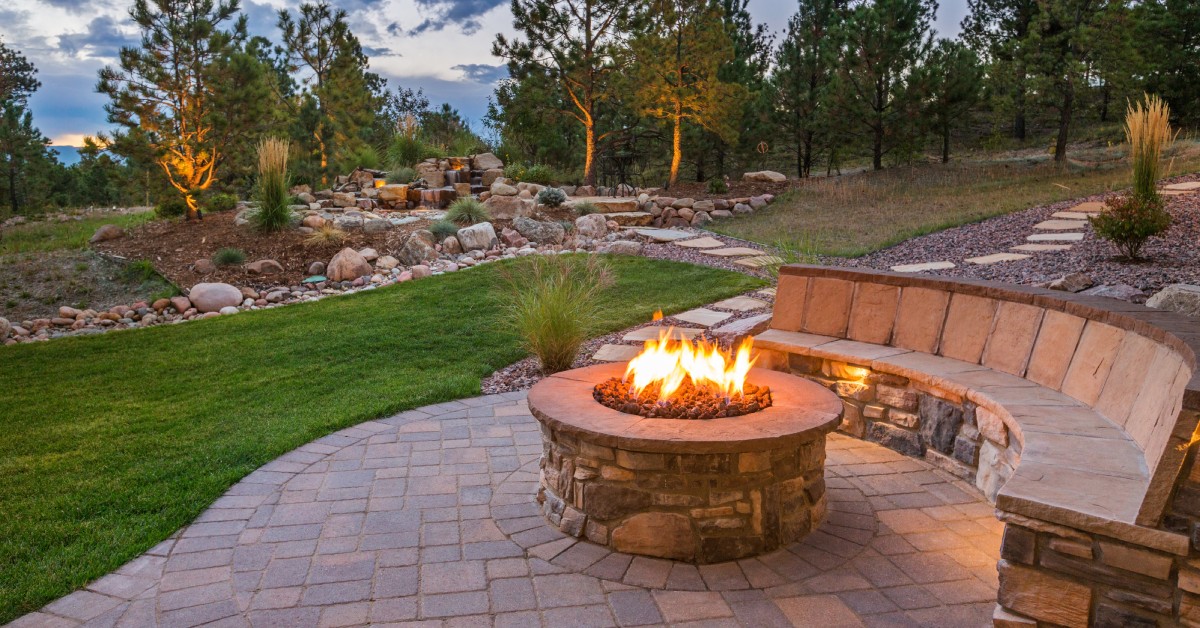
Creating a safety zone around your fire pit is a proactive way to prevent accidents. This zone should be a clear, non-flammable area extending several feet from the fire pit in all directions. You can achieve this by surrounding the pit with gravel, pavers, or a concrete patio. This barrier prevents stray sparks or embers from igniting dry grass or leaves.
You should also have fire extinguishing tools readily accessible whenever the fire pit is in use. Make sure you keep a fire extinguisher, a garden hose with a spray nozzle, or a bucket of sand or water nearby. Instructing everyone on how to use these tools in an emergency is also a smart move.
The Don’ts of Fire Pit Installation
Neglect Regulations and Permits
Ignoring local regulations and failing to obtain required permits is a serious mistake. These rules exist for a reason: to protect you, your property, and your community. Building a fire pit without the proper approvals can lead to stop-work orders, hefty fines, or even a mandate to remove the structure entirely.
It could also create issues with your homeowner’s insurance if a fire-related incident occurs. Taking the time to understand and follow the law from the beginning demonstrates responsible ownership and contributes to a safer environment for everyone.
Place the Pit Too Close to Structures
Positioning a fire pit too close to your home, deck, shed, or fence is a recipe for disaster. The intense heat and flying embers can easily ignite flammable materials, leading to a rapidly spreading fire. Maintain a generous clearance on all sides, and never install a fire pit under a covered porch or low-hanging roof.
Consider the prevailing wind direction in your yard and position the pit so that smoke and embers blow away from your home and neighboring properties. Proper placement is a non-negotiable aspect of fire pit safety.
Use Flammable Liquids To Start a Fire
Never use gasoline, lighter fluid, or any other flammable liquid to start or accelerate a fire in a wood-burning pit. These substances can cause a dangerous flare-up, leading to severe burns and an uncontrollable fire. Instead, use proper fire starters, such as tinder, kindling, and commercially available fire starter blocks. Build your fire slowly, allowing it to grow naturally. A little patience is all it takes to start a safe and steady fire. For gas fire pits, always follow the manufacturer’s instructions for ignition.
Leave a Fire Unattended
A fire pit, no matter how small or well-contained, should never be left unattended. A sudden gust of wind can send sparks flying, or a log could shift and fall out of the pit. Always have a responsible adult present to monitor the fire from the moment you light the fire until you completely extinguish it.
Before leaving the area or going to bed, make certain the fire is out cold. For wood fires, this means dousing the embers with water, stirring them with a shovel, and checking for any remaining heat. For gas pits, turn off the gas supply according to the manufacturer’s directions.
Burn Prohibited Materials
Only burn clean, dry firewood in your wood-burning fire pit. Never use it as an incinerator for trash, plastics, pressure-treated wood, or yard waste. Burning these materials can release toxic fumes into the air, which are harmful to your health and the environment. Treated lumber, in particular, can release arsenic and other dangerous chemicals.
Stick to seasoned hardwoods like oak or hickory for a long-lasting, clean-burning fire. Keeping your fire pit free of prohibited materials will produce a more pleasant experience and protect the air quality around your home.
Enjoy Your Fire Pit Safely
A correctly installed backyard fire pit can be a wonderful addition to your home, offering a unique space for relaxation and connection. By prioritizing safety and following these essential dos and don’ts, you can create a beautiful and secure outdoor feature. Responsible installation and operation are key to enjoying countless evenings by the fire. If you need assistance planning the perfect fire feature for your outdoor living space, our experts are here to help you design and build a landscape you will love.