Pets treat a yard like a second living room. Dogs sprint along the fence line, cats sunbathe in warm spots, and every animal looks for a place to sniff, dig, or nap. A pet-friendly landscape gives those instincts a safe outlet while keeping the space attractive and easy to maintain.
You can build a yard that feels welcoming for guests and comfortable for animals without turning it into a mud pit or a patchwork of worn grass. A few smart design choices help you reduce mess, protect plants, and create a space that fits daily life in Virginia. Use these landscaping ideas to help your create pet-friendly yard.
Start With Pet Habits, Not Plant Lists
Before you pick materials or greenery, watch how pets use the yard. Many dogs run the same loop every day. Some pets hunt shade at noon and chase the sun later. Many dogs pick one bathroom zone and stick with it when you set it up early.
Sketch a simple plan based on those patterns. You will place high-traffic features where pets already move, which helps the landscape look intentional instead of constantly repaired. You will also spot problem areas, like low spots that hold water or corners where dogs dig.
Build a Durable Path for Daily Zoomies
A tough pathway keeps paws out of garden beds and cuts down on worn grass. You can add a route along a fence line or create a loop that connects a patio, a gate, and a shady rest area.
Choose surfaces that feel stable underfoot. Many dogs dislike sharp gravel, and loose stone can travel indoors. Compacted decomposed granite, mulch designed for landscaping, and flat pavers set with tight joints often work well for pet traffic. Keep the route wide enough for a dog to pass a person without stepping into plants.
Choose Turf That Can Handle Pets
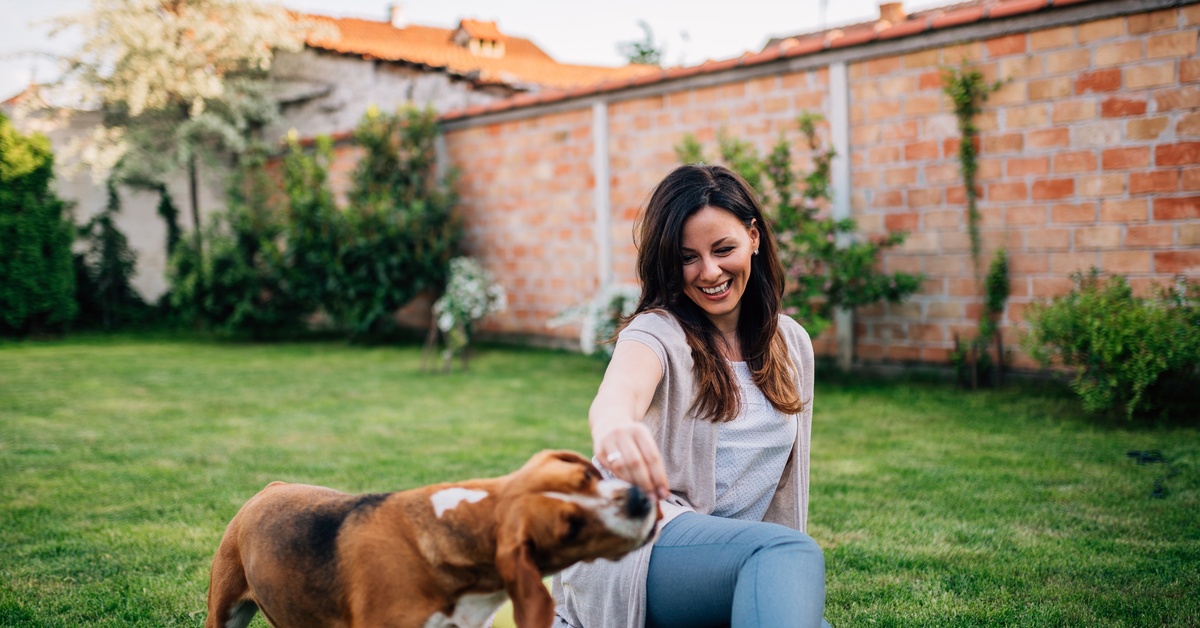
Perfect lawn stripes look nice, but pets bring a different set of goals. You want turf that rebounds after running, tolerates occasional digging, and recovers from pet waste cleanup.
In sunny areas, you can lean toward hardy warm-season grasses that handle heat and foot traffic well. In cooler pockets, a resilient cool-season blend can work when you commit to overseeding and good mowing habits. If pets concentrate in one zone, you can reduce stress on the main lawn by giving that area a different surface.
For families who want a consistent green look with less wear, synthetic turf can work in specific sections, especially along run paths. You still need good drainage and routine rinsing to keep the surface fresh.
Add a Dedicated Bathroom Zone
A bathroom zone saves the rest of the yard. Pick a discreet area with drainage, then make it easy to reach from the back door. Many dogs prefer a predictable surface and location, so consistency matters more than size.
You can use pea gravel with a solid border, a mulch bed that you refresh regularly, or a small patch of tough turf you can reseed. Keep the area away from vegetable gardens and outdoor dining. Clean up daily, then rinse occasionally to help control odor.
Create Shade That Moves With the Day
Pets need relief from summer heat, especially on bright Virginia afternoons. Shade also protects sensitive paws from hot surfaces and offers comfort during long outdoor play sessions.
A mix of shade options works best. A small tree canopy cools the space naturally, while a pergola or shade sail can protect a patio area. You can also add a simple covered dog lounge spot near the house where pets can rest while you garden or grill. When you place shade near water, you create a natural hangout zone that keeps pets from digging for cool soil.
Keep Water Close and Easy To Clean
Hydration matters, and pets often drink more when they play outside. A heavy, tip-resistant bowl on a shaded pad works well for many yards. If you prefer a built-in feature, a small pet fountain can add charm while giving pets fresh water.
Place water away from mulch beds to reduce splash mess. Use a surface that you can rinse quickly, like pavers or a small concrete pad with a gentle slope. You will appreciate the cleanup during pollen season and summer storms.
Pick Plants With Pets in Mind
A pet-friendly yard still includes lush planting, but you should choose greenery with safety and durability in mind. Skip plants with thorns near run routes. Avoid delicate flowers along the edges where dogs brush past every day.
You can also think about texture and scent. Many dogs love to sniff aromatic herbs, and sturdy shrubs can create a soft boundary without breaking under pressure. In planting beds, use borders that signal a clear edge. A low stone or metal edging helps pets understand where the lawn ends and the garden begins.
If you worry about plant safety, talk with a local professional about selections that fit your region and household pets. Local conditions in Virginia influence what thrives, so you can focus on plants that look good and tolerate the climate while you keep pet behavior in mind. Valley Landscaping works with homeowners across several Virginia communities, so a team can recommend options that match local conditions and your yard layout.
Use Mulch and Groundcover That Stays Put
Mulch helps planting beds hold moisture and suppress weeds, but some types scatter easily under paws. Choose heavier mulch that resists drifting, and refresh it when it thins. In spots where dogs cut corners, you can switch to a living groundcover or a stable stone with a clear border.
Groundcovers can also reduce mud near beds. When you cover bare soil, you limit splashing and paw prints after rain. You will still want good drainage, but groundcover helps the yard recover faster after wet weather.
Plan for Mud Control From the Start
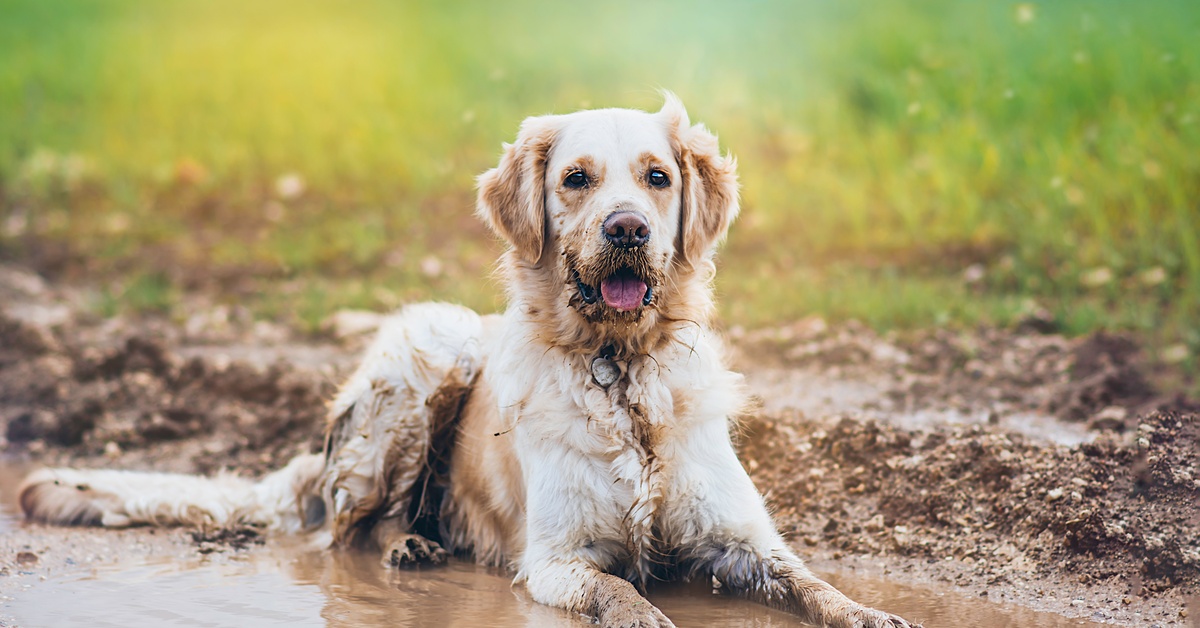
Mud starts with water movement. When runoff collects near a patio or a gate, pets track it inside. You can reduce mud by grading low spots, adding a dry creek feature to guide water, or installing drainage solutions that move water away from play zones.
Near entry points, add a small landing area with pavers or compacted stone. That simple pad gives you a place to wipe paws and keeps the doorway cleaner. If your yard stays soggy, a local crew can evaluate drainage and propose fixes that suit the property. Valley Landscaping provides full-service lawn maintenance and landscaping, so homeowners can address drainage, turf wear, and planting in a coordinated plan.
Make Fencing Safer and More Attractive
A secure fence matters, but it can still look polished. If dogs patrol the perimeter, consider a planting strip inside the fence with hardy shrubs that tolerate occasional contact. That strip can soften the look of the fence and discourage digging at the base.
For visibility and safety, keep sightlines clear near gates and corners. Trim back plants so pets and people can see each other, especially if kids play in the yard. If you add a secondary interior barrier, you can protect a garden area without making the whole yard feel closed off.
Design a Play Space That Fits Your Lifestyle
Not every yard needs agility equipment, but most pets love variety. A simple open space for fetch, a tucked-away sniffing garden, or a small sandy digging spot can reduce destructive behavior elsewhere.
If a dog loves to dig, give that habit a home. Set up a contained digging area with clean sand or loose soil, then bury toys occasionally to reward the habit in the right place. When you redirect behavior with design, you reduce stress for everyone.
When you want help pulling these pieces together, residential landscaping services can streamline the process. A professional can map traffic patterns, select durable materials, and create a layout that looks cohesive while supporting daily pet routines. Valley Landscaping focuses on customer service and local integrity, so homeowners can expect clear communication and practical recommendations for a yard that works year-round.
Keep Maintenance Simple and Consistent
A pet-friendly yard stays healthier when you keep the routine manageable. Mow on a consistent schedule, water deeply when the lawn needs it, and clean up pet waste daily. Trim plants along paths so pets do not brush against damp leaves and track moisture inside.
You can also set up a small outdoor cleanup station. A covered container for waste bags, a hose nearby, and a paw towel by the door make the whole system feel effortless. Small systems prevent small messes from turning into constant frustration.
A Yard You Can Share With Confidence
You do not have to choose between a beautiful landscape and a happy pet. When you design a pet-friendly yard, you get fewer worn patches, cleaner entryways, and a yard that feels welcoming from every angle. Start with a simple plan, invest in durable surfaces, and pick plants and features that support how your pets live.
Over time, those choices create a space where pets can run, rest, and explore while you enjoy a yard that looks cared for and feels easy to live with.