Summer heat often brings long stretches without rain, causing concern for property owners who value a lush, vibrant exterior. A brown, patchy lawn or wilting flower beds can negatively impact the perception of a business, as clients and employees associate a well-maintained exterior with professionalism and care. The challenge lies in maintaining that inviting green aesthetic without wasting precious water resources.
Sustaining a beautiful landscape during dry spells is entirely possible with the right approach. By focusing on soil health, selecting appropriate vegetation, and utilizing modern irrigation technology, property owners can conserve water while keeping their outdoor spaces thriving. Here’s how to keep landscapes green in drought areas.
Understanding Drought-Resistant Landscaping
Drought-resistant landscaping creates an environment that survives and flourishes with minimal supplemental water. Many people mistakenly believe this approach requires replacing lush greenery with rocks and cacti, a style often associated with arid desert climates. However, true drought-resistant landscaping in Virginia involves selecting plants that naturally withstand dry periods while maintaining a full, verdant appearance.
Choosing this landscaping style offers significant benefits beyond water conservation. Deep-rooted plants and efficient systems substantially reduce utility costs. These landscapes typically require less intensive maintenance, such as mowing and fertilizing, which lowers long-term groundskeeping expenses. Local municipalities often recognize the value of water-wise gardening. Property owners should check with local utilities or government offices, as many areas offer rebates or incentives for replacing thirsty turf with water-efficient alternatives.
Planning and Design
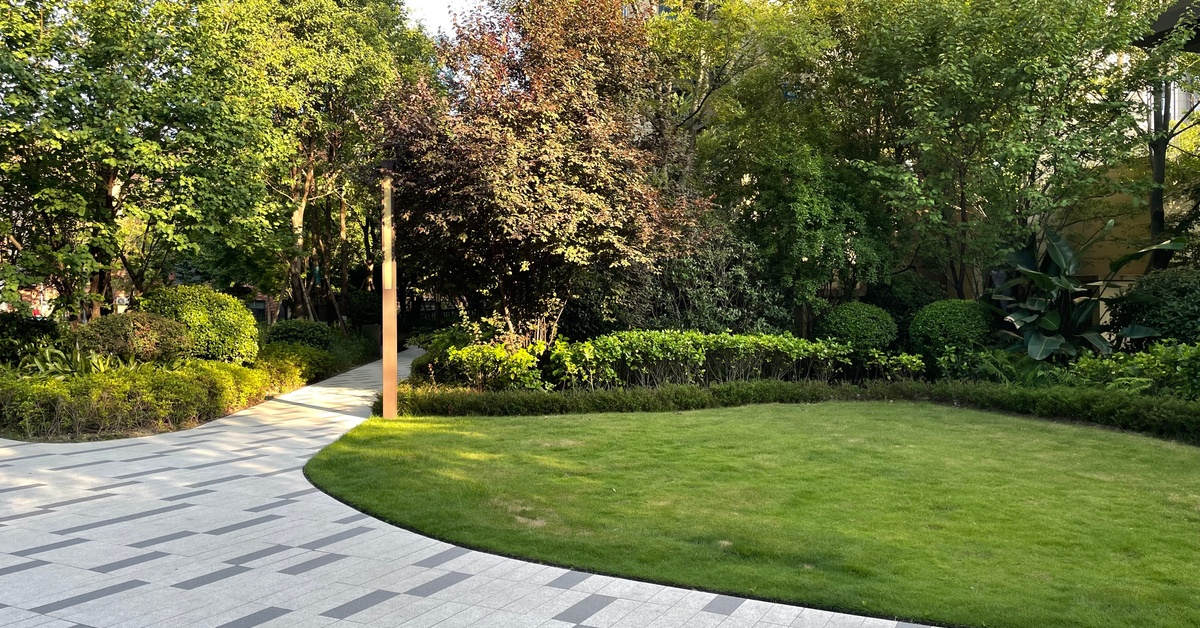
A resilient landscape begins with a comprehensive site assessment. Property owners must understand their specific soil type, sun exposure, and water drainage patterns before digging the first hole. For instance, areas that receive scorching afternoon sun require different vegetation than shaded alcoves. Analyzing these microclimates allows for a design that works with nature rather than against it.
Xeriscaping is a design principle that reduces or eliminates the need for irrigation. While the name sounds technical, the concept is simple: group plants by their water requirements and limit turf grass to functional areas. Efficient design minimizes evaporation and maximizes every drop of water used. Professional commercial landscape contractors often use these principles to create sustainable corporate campuses that remain green even during periods of scarce rainfall.
Selecting the right plant palette is crucial for success in Virginia. Native species have adapted to the local climate over thousands of years, making them naturally resilient to the region’s weather patterns. Choosing plants that evolved to handle Virginia’s hot summers means the landscape will require less intervention to stay healthy.
Soil Preparation and Mulching
Soil acts as the foundation for water conservation. Healthy soil rich in organic matter functions like a sponge, absorbing water during rainfall and holding it for plant roots to access later. Sandy soils drain too quickly, while heavy clay soils often cause runoff. Adding compost or other organic amendments improves soil structure, allowing water to penetrate deeply and remain available to plants for longer periods.
Mulching provides one of the most effective defenses against drought. A layer of organic mulch, such as shredded bark or wood chips, acts as a protective blanket over the soil surface. This cover significantly reduces evaporation rates, keeps the soil temperature cooler, and suppresses weeds that would otherwise compete with landscape plants for moisture. For best results, apply a two-to-three-inch layer of mulch around trees, shrubs, and flower beds, taking care not to pile the material directly against plant stems or tree trunks.
For areas prone to extreme dryness, moisture-holding polymers offer a modern solution. These non-toxic crystals absorb hundreds of times their weight in water and release it slowly back into the soil as the ground dries. Mixing these amendments into the soil at planting provides young roots with a reliable water reserve during their critical establishment phase.
Efficient Irrigation Techniques
Traditional sprinkler systems often waste significant amounts of water through evaporation and wind drift. Drip irrigation systems solve this problem by delivering water directly to the base of the plant, where the roots can absorb it immediately. These systems consist of flexible tubing with small emitters that slowly release water. This method keeps the root zone moist without wetting the foliage, which also helps prevent fungal diseases.
Technology plays a vital role in modern water conservation. Smart irrigation controllers have revolutionized how commercial properties manage watering schedules. Instead of running on a rigid timer, these controllers use local weather data and soil moisture sensors to determine exactly when and how much to water. If rain is in the forecast or the soil is already moist, the system automatically delays the cycle, preventing unnecessary water use.
Proper watering practices determine how well plants develop drought tolerance. Watering deeply and infrequently encourages roots to grow downward in search of moisture. Shallow, frequent watering keeps roots near the surface, where they are vulnerable to heat and evaporation. The best time to irrigate is early in the morning, before the sun rises high. This timing minimizes evaporation and gives plants a chance to absorb moisture before the heat of the day sets in.
Plant Selection and Placement
Virginia offers a wealth of drought-tolerant plant options that add color and texture to commercial landscapes. Trees such as the Eastern Redbud or various oak species provide essential shade and structure while requiring little supplemental water once established. Shrubs like Juniper and Ninebark offer year-round interest and thrive in dry soil. For ground cover, creeping sedum or thyme can replace water-intensive turf in low-traffic areas, creating a lush carpet that thrives in the sun.
Hydrozoning makes irrigation much more efficient. This technique involves grouping plants with similar water needs together in specific zones. By placing thirsty plants near the building or water source and drought-hardy plants further away, property managers can target irrigation precisely. This placement prevents the common problem of overwatering drought-tolerant plants just to keep a thirsty neighbor alive.
Proper planting techniques also influence water absorption. When installing new greenery, digging a hole twice as wide as the root ball loosens the surrounding soil, making it easier for roots to spread. A wide, shallow planting hole encourages lateral root growth, which improves the plant’s ability to capture rainfall. Creating a slight saucer-shaped depression around the base of trees and shrubs helps capture water and directs it toward the root zone rather than allowing it to run off into the street.
Maintenance and Monitoring
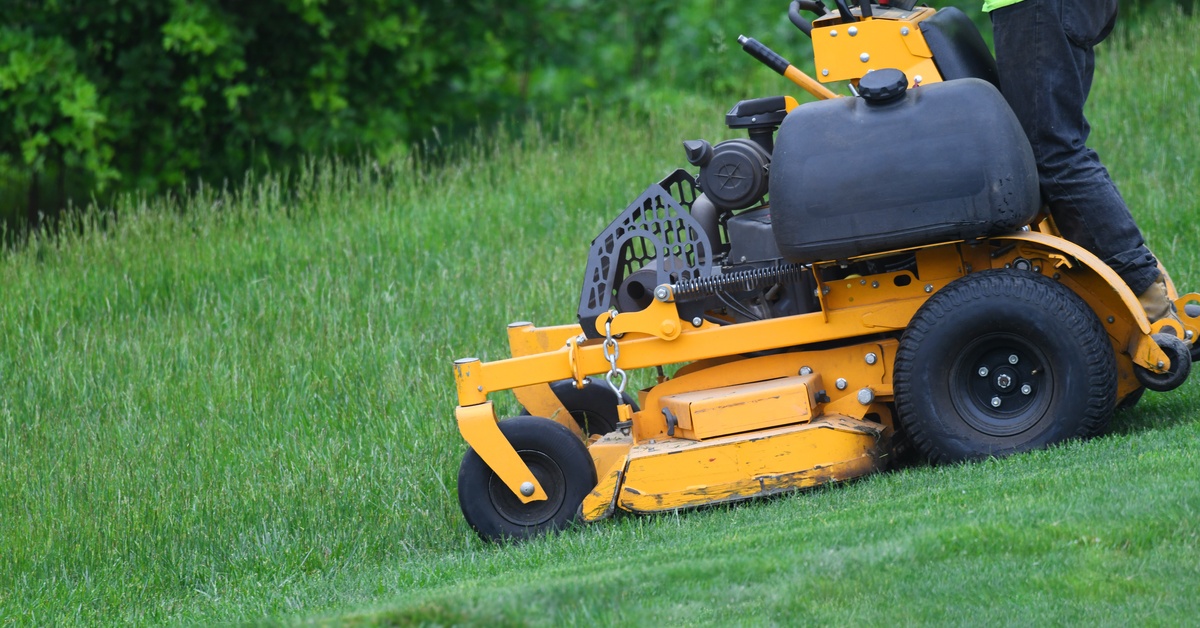
A low-water landscape still requires regular attention to perform its best. Weeds are aggressive competitors that steal water and nutrients from desirable plants. Removing weeds promptly preserves soil moisture for the intended landscape features. Pruning helps plants maintain their shape and removes dead or diseased wood, allowing them to direct their energy and resources toward healthy growth. Avoid heavy pruning during a drought, as this stimulates new growth that requires additional water to support.
Monitoring plant health allows for early intervention. Signs of drought stress include wilting leaves, dull coloration, or footprints that remain in the grass after walking. Identifying these symptoms early enables property managers to adjust irrigation or apply spot watering before permanent damage occurs. Soil probes can also verify moisture levels below the surface, providing a more accurate picture than a visual inspection alone.
Seasonal adjustments help the landscape adapt to changing weather patterns. As temperatures drop in the fall, plants require significantly less water. Adjusting irrigation schedules to match the season prevents waterlogging and prepares plants for winter dormancy. Leaving herbaceous plants standing through the winter can also provide protection for the crown of the plant and insulate the soil.
Creating a Sustainable Future
Implementing these drought-resistant strategies allows commercial properties to maintain professional, inviting exteriors regardless of rainfall levels. From amending the soil to installing smart controllers, every step contributes to a more resilient ecosystem. Conserving water protects a vital natural resource and demonstrates a commitment to sustainability that clients and employees respect. A green landscape in a drought area proves that beauty and responsibility can coexist.
Valley Landscaping understands the unique challenges of Virginia’s climate. Our team specializes in designing and maintaining commercial spaces that look impeccable year-round. We create customized plans that balance aesthetic appeal with environmental responsibility. If you want to transform your commercial property into a resilient, water-wise showpiece, contact Valley Landscaping today to request an estimate. Let us help you create an outdoor environment you will love forever.