
You walk out your back door, coffee in hand, and look at your yard. Maybe you see a patch of grass that needs mowing, a few shrubs that have seen better days, or perhaps just a blank canvas waiting for inspiration. We all want that perfect outdoor sanctuary, but knowing where to start often feels overwhelming. The world of landscape design is vast, filled with terminology and aesthetic choices that can leave even the most enthusiastic homeowner feeling a bit lost.
Choosing a landscaping style is about more than just picking out pretty plants. It is about creating an extension of your home that reflects your personality and fits your lifestyle. Do you dream of sipping tea in a manicured garden that feels like a page out of a storybook? Or perhaps you crave a sleek, low-maintenance space where you can entertain friends on the weekend? The right design transforms your outdoor space from a simple yard into a functional living area that adds value to your property and joy to your daily life.
In this post, we will break down the most popular landscaping styles to help you identify which one resonates with you. We will explore the structured elegance of formal gardens, the relaxed vibe of informal designs, the eco-friendly principles of xeriscaping, the clean lines of modern architecture, and the forward-thinking approach of sustainable landscaping. By the end, you will have a clearer vision of what you want, making the conversation with your landscaping contractor much more productive and exciting.
Introduction to Landscaping Styles
Before we dive into specific categories, it helps to understand that landscaping styles usually fall onto a spectrum. On one end, you have rigid, highly controlled environments where humans exert total dominance over nature. On the other end, you find designs that mimic natural ecosystems so closely that they look almost untouched. Most residential yards sit somewhere in the middle, borrowing elements from different traditions to create something unique.
Your choice should depend on several factors: the architecture of your house, the climate in your region (whether you are in the humid embrace of Richmond or the cooler Shenandoah Valley), and how much time you want to dedicate to maintenance. A mismatch between your home’s style and your landscape can feel jarring, while a harmonious pairing creates unbeatable curb appeal. Let’s look at the specific styles that can transform your property.
Formal Landscaping
When you picture the grand estates of Europe or the White House Rose Garden, you are picturing formal landscaping. This style relies heavily on symmetry, straight lines, and geometric shapes. It is the architectural equivalent of a perfectly tailored suit—everything has its place, and nothing is accidental.
In a formal landscape, balance is key. If you place a spiral topiary on the left side of the walkway, you place an identical one on the right. Pathways are typically straight and intersect at right angles, guiding the eye toward a focal point, such as a fountain, a statue, or the front door of the home. The plant palette in formal gardens often remains simple and repetitive. You will see hedges clipped into sharp boxes (a practice called hedging) and trees planted in orderly rows.
This style works beautifully for homes with classical architecture, such as Colonial, Georgian, or Federal styles, often found throughout Virginia. It conveys a sense of order and sophistication that instantly elevates the property’s status. However, achieving this look requires commitment. Those crisp edges and perfect shapes demand regular pruning and maintenance. If you love spending time tending to your garden or have a reliable team to help, the payoff is a timeless, elegant aesthetic that commands respect.
Informal Landscaping
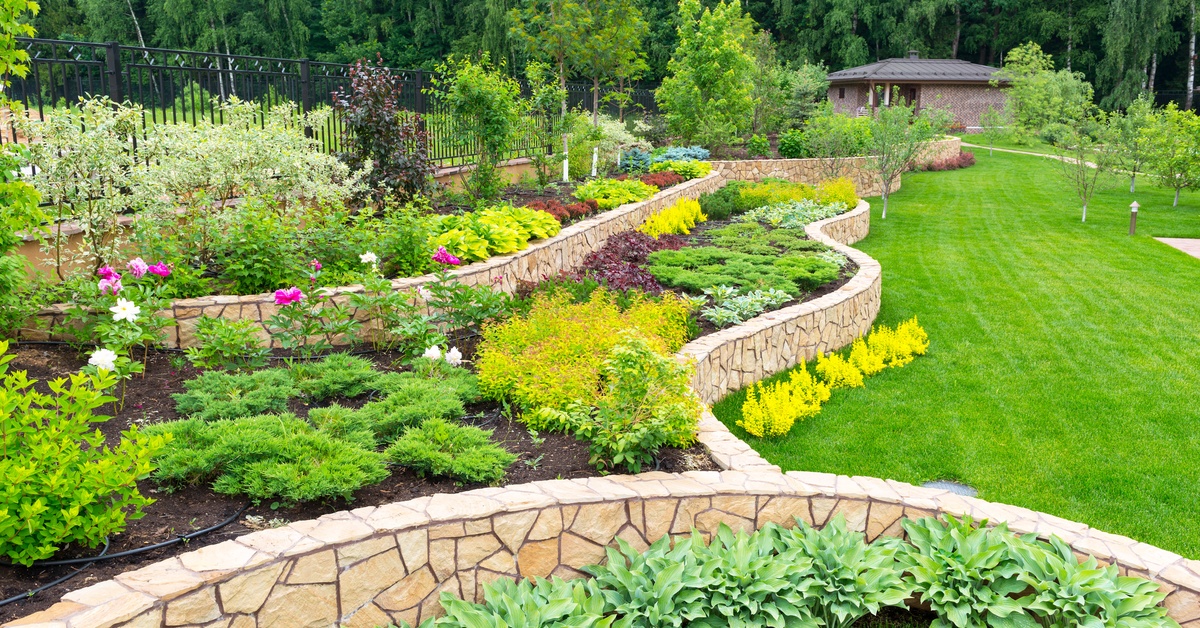
If formal landscaping is a tailored suit, informal landscaping is your favorite pair of comfortable jeans and a soft sweater. It is relaxed, inviting, and embraces the natural curves of the land. Instead of forcing nature into rigid boxes, informal designs work with the existing terrain to create a space that feels organic and evolved.
This style avoids straight lines in favor of curved pathways that meander through the garden, inviting exploration. Symmetrical planting gives way to asymmetrical balance. You might balance a large shade tree on one side with a grouping of shrubs and a bench on the other. The goal is visual harmony without strict mirroring. The plant selection here is typically more diverse, featuring a mix of heights, textures, and colors that bloom at different times of the year.
Cottage gardens are a prime example of informal landscaping. They overflow with flowers, herbs, and vines, creating a romantic, slightly wild appearance. This style fits perfectly with farmhouse, craftsman, or ranch-style homes. It is also an excellent choice for families with children or pets, as the softer edges and durable plantings can handle a bit of activity. While it looks natural, keep in mind that “informal” does not mean “no maintenance.” These gardens still require weeding, watering, and pruning to keep them from becoming overgrown jungles, but the schedule is generally less demanding than that of a formal garden.
Xeriscaping
Water is a precious resource, and as homeowners become more environmentally conscious, xeriscaping has surged in popularity. The term comes from the Greek word “xeros,” meaning dry. While often associated with desert climates, the principles of xeriscaping apply anywhere you want to reduce water usage and create a low-maintenance yard.
Xeriscaping is not just about rocks and cacti. A well-designed xeriscape in Virginia can be lush, colorful, and vibrant. The core strategy involves choosing plants that are native or adapted to the local climate and require little to no supplemental irrigation once established. We group plants with similar water needs together (hydro-zoning) to maximize efficiency.
Soil improvement plays a massive role here. By adding organic matter to the soil, we increase its ability to hold moisture, reducing the need for the hose. Mulching is another critical component, as it suppresses weeds and prevents evaporation. In terms of aesthetics, xeriscaping often uses gravel or permeable pavers instead of thirsty turfgrass, adding interesting texture to the yard.
This style suits almost any home but looks particularly good with contemporary or Mediterranean architecture. The biggest benefit is the reduction in your water bill and the time you save not dragging a sprinkler around the yard. Native plants often attract local pollinators like butterflies and bees, adding a dynamic layer of life to your garden.
Modern Landscaping
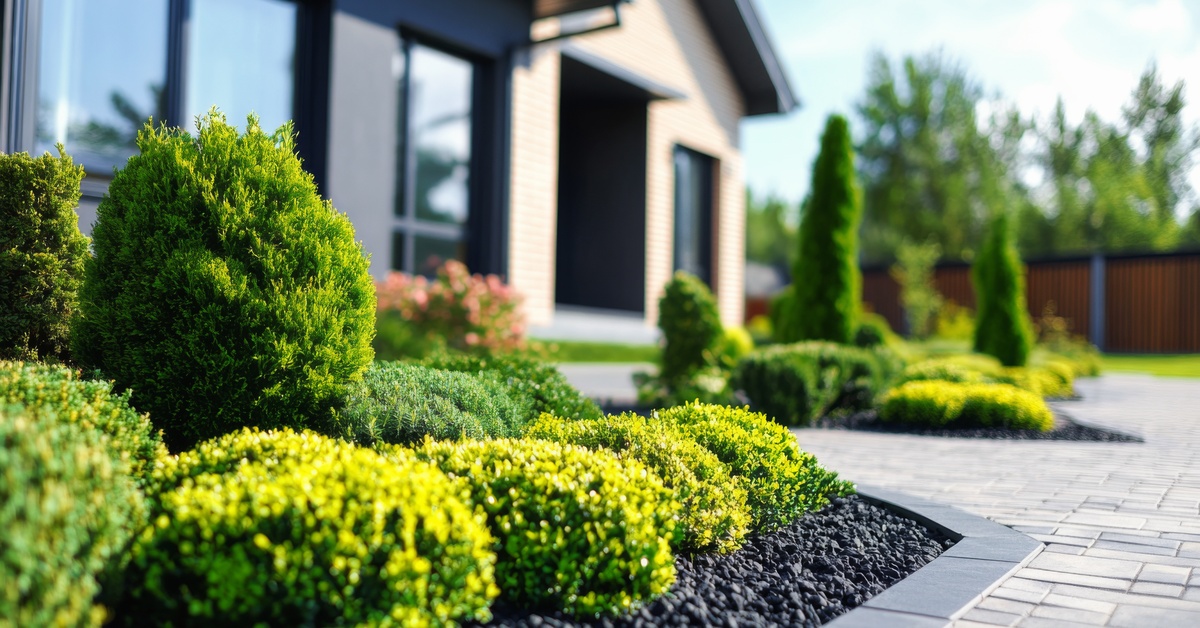
Modern landscaping is the exterior counterpart to contemporary interior design. It emphasizes clean lines, minimalism, and the bold use of materials. Unlike traditional gardens that focus heavily on plants, modern landscapes treat plants as architectural elements. You will see structural plants like ornamental grasses, succulents, or bamboo used sparingly to create dramatic contrast against hardscaping.
Materials play a starring role in this style. Professionals will use concrete, steel, and wood to create patios, walkways, and retaining walls. The geometry is strong—think rectangular pavers surrounded by river rocks, or a sleek, square fire pit. The color palette often leans toward neutrals like slate gray, black, and white, with green foliage providing the only pop of color.
This style is perfect for homeowners who view their outdoor space as an extension of their living room. It focuses on functionality and entertainment. You might see a built-in outdoor kitchen, a sleek pergola, or simple, comfortable furniture arrangements. Modern landscaping pairs exceptionally well with mid-century modern homes or new construction with industrial elements. Because it relies heavily on hardscaping and slow-growing plants, it is one of the lower-maintenance options available, making it ideal for busy professionals who want a stylish yard without the weekend chores.
Sustainable Landscaping
Sustainable landscaping takes the concept of being “green” to the next level. While it shares some DNA with xeriscaping, its goals are broader. This style aims to create a landscape that actively contributes to the health of the local ecosystem. It considers water management, wildlife habitat, and energy efficiency.
One key feature of sustainable landscaping is the use of permeable surfaces. Instead of a solid concrete driveway that sends rainwater rushing into storm drains, a sustainable design might use permeable pavers or gravel. This design allows rainwater to soak into the ground, replenishing the water table and reducing runoff. Rain gardens are another common element; these shallow depressions planted with deep-rooted species capture and filter runoff from roofs and driveways.
Plant selection focuses heavily on natives. Native plants have evolved with the local insects and birds, forming the base of the food web. By planting an oak tree or a patch of coneflowers, you provide food and shelter for local wildlife. Furthermore, sustainable landscaping often involves strategic tree placement. Deciduous trees planted on the south and west sides of a home provide summer shade, reducing cooling costs, but let the sun warm the house in winter after they drop their leaves.
This approach works for any property type because it is defined more by practices than by a specific “look.” You can have a formal, sustainable garden or a modern one. It appeals to homeowners who want their property to make a positive impact on the environment while still looking beautiful.
Find the Perfect Balance for Your Property
Your outdoor space holds incredible potential. It can be a place of calm, a hub for family gatherings, or a stunning visual statement that sets your home apart. Understanding these different landscaping styles gives you a vocabulary to describe what you love. You might find that you are drawn to the clean lines of contemporary design but want the eco-friendly benefits of sustainable practices. Or perhaps you love the structure of formal gardens but want to soften it with some cottage-style plantings.
If you are looking at your yard and feeling inspired but unsure of how to execute these ideas, you do not have to do it alone. Professional landscaping contractors bring the expertise needed to blend these styles seamlessly. We understand the local climate, soil conditions, and plant varieties that thrive in our region. We can help you navigate the choices, draw up a plan that respects your budget and timeline, and turn that vision into a reality. Your dream landscape is closer than you think.