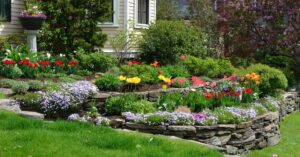
You take pride in your home, and naturally, you want the exterior to reflect that same level of care and attention. A lush, vibrant lawn and well-maintained garden beds instantly boost curb appeal and create a welcoming environment for friends and family. However, achieving that picture-perfect yard requires more than just enthusiasm and a free weekend. Landscaping involves a delicate balance of science and art, and even the most well-intentioned homeowners often stumble into common traps that compromise the health and beauty of their outdoor spaces.
We often see homeowners pour time, money, and energy into their yards, only to see disappointing results. Plants wither, lawns develop brown patches, and drainage issues threaten the foundation of the house. These setbacks usually occur not because of a lack of effort but because of a lack of knowledge of horticultural best practices. Understanding the specific needs of your property prevents these frustrations and saves you from costly repairs down the road.
Creating a sustainable and stunning landscape requires a strategic approach. You must understand your soil, your climate, and the specific requirements of every plant you choose. By identifying common errors before you make them, you protect your investment and foster an outdoor living space that thrives year after year. Let us explore the top landscaping mistakes homeowners should avoid.
Drowning Your Plants With Kindness
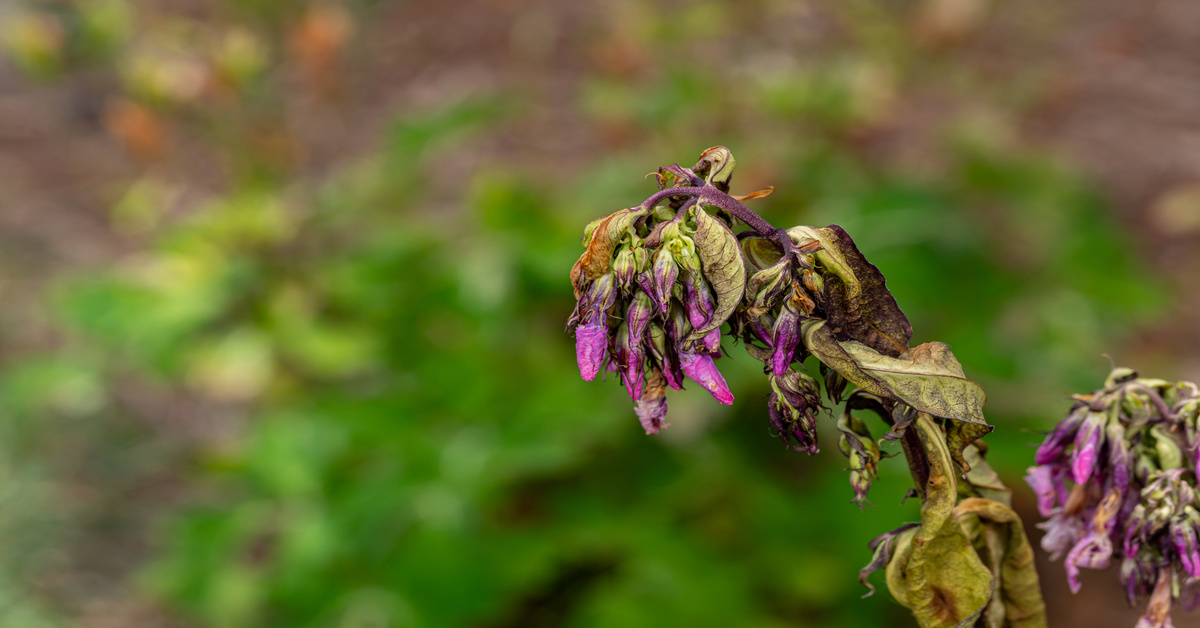
Water fuels life in your garden, but an excess of it quickly becomes a destroyer. Many homeowners assume that if a plant looks drooping or sad, it must need a drink. This reaction often leads to overwatering, which poses a greater threat to plant health than drought. When you constantly saturate the soil, you fill the air pockets between soil particles with water. Roots need oxygen to survive, and without these air pockets, the roots suffocate and begin to rot.
Signs of overwatering often mimic the signs of underwatering, which confuses many gardeners. You might notice yellowing leaves, wilting, or a lack of new growth. If you see these symptoms, check the soil moisture before grabbing the hose. Dig a few inches into the ground near the base of the plant. If the soil feels damp or muddy, put the watering can away.
To prevent waterlogging, establish a watering schedule that encourages deep root growth. Shallow, frequent watering keeps roots near the surface, where they remain vulnerable to heat and drought. Instead, water deeply and less frequently. This method trains roots to grow downward in search of moisture, creating a stronger and more resilient plant. Installing a smart irrigation system or using a moisture meter also provides precise control over how much water your landscape receives.
Neglecting the Foundation Under Your Feet
You would not build a house on a crumbling foundation, yet many homeowners plant expensive trees and shrubs into poor-quality soil without a second thought. Soil serves as the digestive system for your plants. It provides the essential nutrients, water, and structural support they need to grow. If your soil lacks organic matter or possesses an incorrect pH balance, your plants will struggle regardless of how much you water or fertilize them.
Testing your soil eliminates the guesswork. A simple soil test reveals the pH level and nutrient composition of your ground. You might discover your soil is too acidic for the grass you want to grow, or that it lacks the nitrogen necessary for leafy growth. With this information, you can amend the soil effectively.
Improving soil quality usually involves adding organic matter, such as compost, peat moss, or aged manure. These amendments improve drainage in heavy clay soils and increase water retention in sandy soils. Taking the time to prepare the planting bed correctly gives your vegetation the best possible start. Healthy soil fosters a robust root system, which translates to vigorous growth and vibrant blooms above ground.
Choosing Plants on Impulse Rather Than Logic
Walking through a nursery feels like visiting a candy store. You see a shrub with stunning purple flowers or a tree with fascinating bark, and you immediately want it for your yard. However, impulse buying leads to one of the most common landscaping errors: placing the wrong plant in the wrong place. Every plant has specific requirements regarding sunlight, soil type, and space. Ignoring these needs guarantees failure.
Before you purchase anything, evaluate the specific conditions of your yard. Note which areas receive full sun, partial shade, or deep shade throughout the day. Consider the mature size of the plant as well. That small sapling might look perfect next to your front porch now, but if it grows into a massive tree, it will eventually block windows, damage the foundation, or crowd out other plants.
We frequently encounter this issue when managing residential landscaping in Virginia. The local climate supports a wide variety of flora, but specific microclimates within a single yard vary widely. You must select species that tolerate your particular hardiness zone and local weather patterns. Native plants often make the best choice because they have adapted to the local environment over thousands of years. They typically require less water, fertilizer, and pest control than exotic species, making them a sustainable and low-maintenance option for your landscape.
Pruning Without a Purpose or Plan
Pruning stimulates growth and maintains plant health, but incorrect cutting techniques cause significant damage. Many homeowners view pruning as a way to control the size of a plant rather than a way to support its biology. This misconception leads to practices like “topping” trees, where you cut off the top of the main trunk. Topping destroys the tree’s natural shape, weakens its structure, and leaves it susceptible to disease and insect infestation.
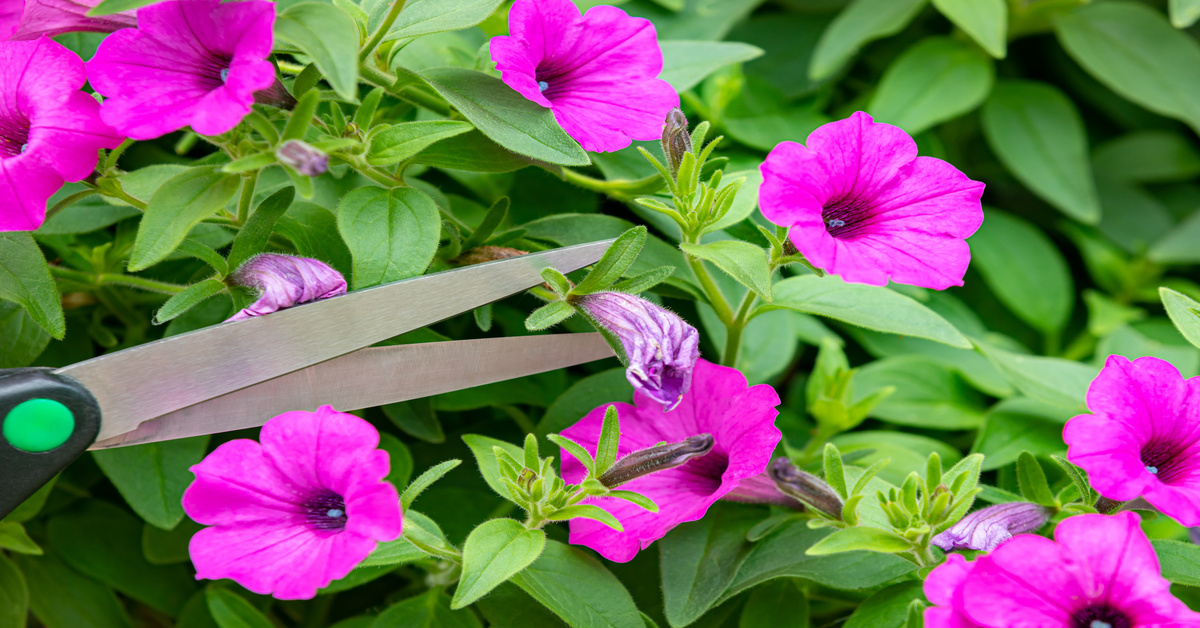
Timing matters just as much as technique. Pruning at the wrong time of year removes flower buds, meaning you lose a season of blooms. Generally, you should prune spring-flowering shrubs immediately after they finish blooming. Summer-flowering shrubs usually benefit from pruning in late winter or early spring before new growth begins.
Use sharp, clean tools to make clean cuts that heal quickly. When removing a branch, cut back to a bud or a main branch rather than leaving a stub. Stubs rot and provide an entry point for pests. If you feel unsure about how or when to prune a specific tree or shrub, consulting a certified arborist protects your landscape assets from permanent disfigurement.
Overlooking Where the Water Goes
Water needs to go somewhere when it rains. If you ignore drainage patterns in your yard, you invite a host of problems ranging from muddy patches and drowned plants to serious structural damage to your home. Standing water attracts mosquitoes and creates a breeding ground for fungus and disease. Worse, if water pools around your foundation, it seeps into your basement or crawl space, causing mold growth and structural instability.
Observe your yard during a heavy rainstorm. Watch where the water flows and where it collects. If you see water running toward your house or pooling in the middle of your lawn, you must address the grading. Grading involves reshaping the land to direct water away from structures and toward appropriate drainage areas.
Solutions for drainage issues vary depending on the severity of the problem. Sometimes, extending downspouts or installing a rain barrel solves the issue. In other cases, you might need to install a French drain, a dry creek bed, or a catch basin to manage excess water volume. Addressing drainage effectively protects both your landscape and your home investment.
Failing To Design a Master Plan
Many homeowners approach landscaping piecemeal. You might plant a tree one year, add a flower bed the next, and install a patio the year after that. Without a cohesive master plan, these individual projects often clash visually and functionally. The result looks disjointed and cluttered rather than unified and intentional.
A master plan acts as a roadmap for your landscape. It considers how you use your outdoor space, your aesthetic preferences, and your budget. It allows you to phase your installation over time while maintaining a consistent vision. A good plan addresses hardscape, planting areas, lighting, and irrigation holistically.
Start by defining the function of different areas. Do you need a play area for children? A quiet corner for reading? An entertainment space for guests? Once you define the zones, you can connect them with pathways and unify them with repeating plant materials or design elements. A well-thought-out design enhances your yard’s functionality and significantly boosts your property’s value.
Create a Landscape You Love
Avoiding these common landscaping mistakes puts you on the path to a healthier, more beautiful yard. However, landscaping demands time, physical labor, and specialized knowledge. If navigating soil pH, drainage gradients, and plant hardiness zones feels overwhelming, you do not have to do it alone.
Valley Landscaping brings over 30 years of expertise to your doorstep. We specialize in designing, building, and maintaining outdoor spaces that thrive in our local climate. Our team handles every detail, from soil analysis and plant selection to hardscape construction and seasonal maintenance. We turn your vision into a reality while keeping your budget and timeline in mind.
Invest in a landscape that enhances your lifestyle and adds value to your property. Contact us today to schedule a consultation, and let us help you create an outdoor environment you will enjoy for years to come.