A cracked patio, walkway, or retaining wall can significantly alter the appearance of your outdoor area. What once looked polished and inviting might begin to appear worn, uneven, and neglected. Cracks also raise an important question for homeowners: Is this merely cosmetic, or could it indicate a bigger problem?
The good news is that you don’t need to panic when you notice the first signs of damage. Hardscape surfaces can develop cracks for various reasons, and many of these issues respond well to early care. When you understand what caused the problem and know what steps to take, you can protect your investment and prevent the problem from spreading.
Quick action is important when hardscape problems occur. A small crack might seem harmless at first, but it can lead to water intrusion, surface movement, and more visible damage. By inspecting early and using the right repair plan, you can keep your outdoor space safer, more attractive, and easier to enjoy. Here’s what to do when hardscape surfaces start cracking.
Start With a Close Look
The first step when hardscape surfaces begin cracking is to slow down and carefully inspect the area. Not every crack has the same significance. A thin line on the surface of concrete requires a different response than a deep split that causes movement between pavers or slabs.
Observe the size, length, and direction of the crack. Check if the surface remains level or if one side has begun to lift, sink, or shift. Look for nearby signs like loose pavers, pooled water, crumbling joint material, or gaps along the edges. These clues can indicate whether the issue is on the surface or caused by deeper movement below.
Take photos during your inspection. This provides an easy way to monitor if the crack changes over time. It also helps when discussing the damage with a hardscape professional because you can show what it looked like when you first noticed it.
Don’t Ignore Water
Water causes many hardscape problems, and cracks often indicate drainage issues nearby. If rainwater pools on a patio or flows toward a retaining wall, the moisture can weaken the base material and cause movement. In colder weather, trapped water can freeze, expand, and put extra pressure on the surface.
Observe how water flows through the area after a storm or when running irrigation. Look for puddles that stay, soil washing out near the edge, or downspouts discharging water onto the hardscape. Even a minor drainage issue can cause repeated problems over time.
When you detect a water problem, don’t just fix the crack and assume the job is done. If the source of the moisture remains, the same damage is likely to come back. A lasting solution typically starts with stopping the water flow, not merely repairing the visible crack.
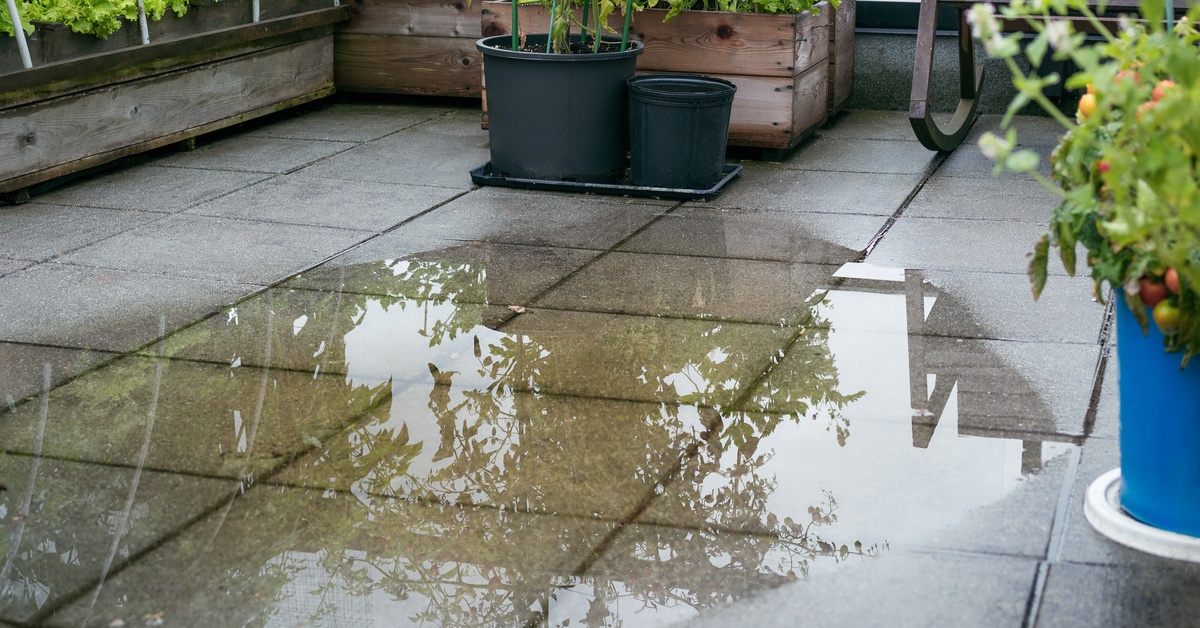
Figure Out What Type of Surface You Have
Your next step depends on the material that cracked. Concrete, natural stone, brick, and pavers all respond differently to wear, weather, and settling. They also need different repair methods.
Concrete often develops shrinkage cracks, settlement cracks, or damage from freeze-thaw cycles. Paver systems may crack if individual units break, but they can also show issues through shifting, separation, or uneven areas caused by a failing base. Natural stone can crack from impact, pressure, or movement in the underlying soil. Brick surfaces may crack when the ground shifts or the mortar joints weaken.
That’s why material choice is so important. A repair that works well for poured concrete might be less effective for a paver patio. If your property includes custom features connected with residential hardscape design, matching materials, grades, and layout details becomes even more critical during the repair process.
Know When a Crack Is Minor
Some cracks stay small and stable. Hairline surface cracks in concrete, for example, may not affect the strength or safety of the area right away. In those cases, a homeowner may only need to monitor the spot, clean it, and use the right filler or sealant if a professional recommends it.
A minor crack usually remains narrow, doesn’t alter the surface level, and doesn’t create tripping hazards. It may look disappointing, but it doesn’t always indicate structural issues. Still, it deserves attention. Small openings can allow water, weeds, dirt, and debris to enter, which can worsen the damage over time.
The key is not to judge only by size. A crack that appears small at the surface may be connected to a bigger problem underneath. When you’re unsure, a trained eye can prevent you from making the wrong choice.
Watch for Signs of a Bigger Problem
Some warning signs tell you the crack deserves fast professional attention. One of the most obvious is movement. If one section sits higher or lower than the next, the base may have shifted or washed out. That can affect appearance, drainage, and safety all at once.
Widening cracks also raise concern. If the opening enlarges quickly, it often indicates ongoing pressure from soil movement, water, tree roots, or poor installation. Crumbling edges, loose stones, and expanding damage are also important. They suggest the surface no longer has the support it needs.
Retaining walls require careful attention. If you notice cracks along with leaning, bulging, or separation between blocks, don’t delay. These signs can indicate serious stress behind the wall, often from drainage issues or soil pressure. A quick inspection can prevent a minor problem from escalating into a costly rebuild.
Avoid Quick Fixes That Miss the Cause
It’s tempting to patch the visible crack and move on. Many store-bought repair products promise quick cosmetic results, and some temporarily improve the look. The problem is that surface repairs alone often fail when they don’t address the underlying cause of the cracking.
If the base has settled, if water keeps pooling, or if root growth continues to push upward, the crack usually returns. In some cases, a poor patch can even trap moisture or make later repairs harder. That leaves homeowners paying twice for the same area.
A better approach begins with diagnosis. Once you identify whether the cause involves drainage, installation, age, weather exposure, or ground movement, you can select a repair that addresses the issue. This saves time, protects the surrounding hardscape, and results in a cleaner outcome.
Bring in a Professional Early
When hardscape surfaces begin cracking, one of the smartest actions you can take is to call a professional before the damage worsens. An experienced team can look beneath the surface and determine whether the problem stems from the base, slope, joints, edging, root intrusion, or water runoff.
That matters because outdoor surfaces operate as interconnected systems. You need to connect a patio to grading. A walkway interacts with the soil around it. A retaining wall depends on proper drainage and support behind it. When one part fails, others often get affected. A professional can see these connections and recommend the right repairs.
That doesn’t always mean a full replacement. Sometimes the solution involves lifting and resetting pavers, replacing a damaged section, correcting drainage, or rebuilding only the affected area. Early evaluation gives you more options and often keeps the cost lower than waiting too long.
Protect the Surface After Repairs
Once you’ve repaired the cracked area, the next step is prevention. Good maintenance is essential for hardscapes, especially in climates where moisture and seasonal temperature changes put stress on outdoor materials.
Keep the surface clean so debris doesn’t trap moisture in joints or along edges. Watch where sprinklers hit and how gutters or downspouts discharge during storms. Refill joints or reseal surfaces when needed, depending on the material and the condition of the installation. Trim nearby roots and monitor trees or large shrubs that may press against the space over time.
Regular inspections are also helpful. You don’t need a detailed routine. Walk the property periodically and watch for early signs of changes in slope, spacing, drainage, or joint stability. Small adjustments tend to stay manageable, but delays in repairs usually don’t.
Take Action Before It Spreads
Cracks in hardscape surfaces usually don’t fix themselves. They tend to grow, move, or cause new issues if ignored. The longer you wait, the more likely you are to face water damage, tripping hazards, or bigger sections needing replacement.
That’s why a calm, practical approach is best. Check the area, observe drainage, identify the material, and seek professional advice when the cause isn’t clear. These steps help you move from uncertainty to a sensible repair plan for your property.
A well-constructed outdoor space should feel solid, attractive, and easy to enjoy. When cracks begin to show, taking the right steps can restore confidence and help your hardscape stay strong for many years.