A well-kept landscape does more than boost curb appeal. It shapes how people move through a property, how they feel upon arrival, and how safely they can use the space every day. When landscaping supports visibility, footing, drainage, and maintenance, it helps prevent problems before they arise.
That matters whether you own a home, manage an office park, or oversee a retail site. Smart landscaping choices can reduce common hazards, create better traffic flow, and make outdoor areas easier to use in every season. A safer property also feels more welcoming, which makes a strong impression on guests, tenants, customers, and neighbors.
Improving outdoor safety doesn’t always require a major overhaul. In many cases, the best results come from thoughtful upgrades that solve specific issues and make the whole property work better. These ideas will show you how to improve safety with smarter landscaping.
Start With Clear Sightlines
One of the simplest ways to improve outdoor safety is to make it easier for people to see where they’re going. Overgrown shrubs, low-hanging tree branches, and plantings too close to walkways can block visibility and create hidden hazards. They can also make entrances, drive lanes, and gathering areas feel closed off.
Clear sightlines help people move with confidence. Homeowners benefit when paths, driveways, and front entries remain visible from the street and from the house. Commercial property owners benefit when customers and employees can easily see sidewalks, parking areas, directional signs, and building entrances.
Good plant placement plays a major role here. Taller plants work best where they won’t block views, while lower-growing options are better near walkways, windows, and signs. Routine trimming also keeps landscapes from encroaching into areas where people walk or drive. When you keep lines of sight open, you reduce surprises and create a property that feels safer right away.
Focus on Walkways
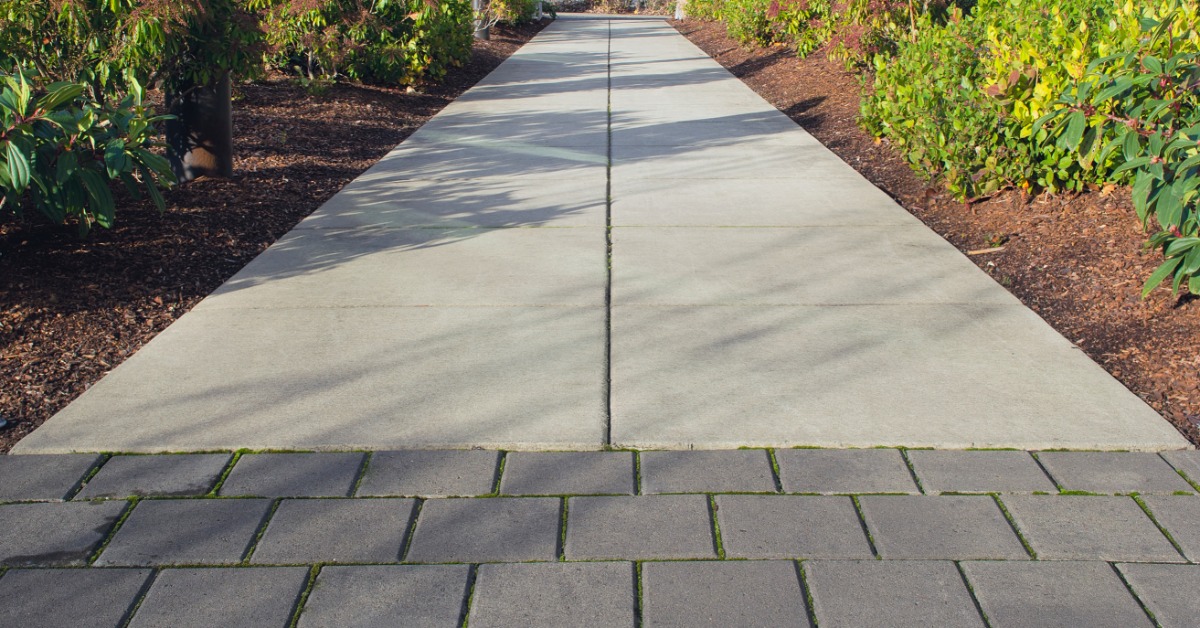
Walkways deserve close attention because people use them constantly, often without much thought. When paths crack, shift, collect water, or narrow over time, they become a source of trips and falls. A safer landscape starts with stable, well-planned walkways that guide people naturally from one point to another.
Smooth surfaces make a big difference. Uneven pavers, loose gravel, and worn edges can pose risks for children, older adults, and anyone carrying packages or pushing a cart. When you repair damaged areas and choose durable materials, you make the property more usable for everyone.
The layout is also important. Walkways should follow logical routes and connect key areas without forcing people to cut across grass, planting beds, or muddy ground. In residential spaces, that might mean creating a clear path from the driveway to the front door or from the patio to the backyard. In commercial settings, it often means improving connections among parking lots, entrances, and shared outdoor areas. When people know exactly where to go, they’re less likely to take unsafe shortcuts.
Improve Lighting in the Right Places
Landscaping and lighting work together to make outdoor spaces safer after dark. Even a beautiful property can be hard to navigate when the lighting is inadequate. Poor visibility near steps, paths, driveways, and entrances can turn routine movement into a risk.
The best approach focuses on function first. Entry points, changes in elevation, and heavily used walkways need consistent lighting so people can spot obstacles and move with confidence. Lighting should also help define the shape of outdoor spaces without creating harsh glare or deep shadows.
Well-placed fixtures can highlight key routes and support a polished look. For homeowners, that may mean adding path lights along front walks or soft lighting around steps and patios. For commercial property landscaping, it often means improving visibility around parking areas, sidewalks, monument signs, and building entrances. Thoughtful lighting helps people feel safer and makes the whole property easier to use from day to night.
Manage Water Before It Creates Trouble
Water causes more landscape safety issues than many people realize. Standing water, slick surfaces, soft ground, and soil erosion can all grow from poor drainage. Once water starts pooling in the wrong places, it can damage hardscape, weaken turf, and make everyday movement more hazardous.
A smart landscape moves water away from places where people walk, gather, and park. That starts with grading and drainage solutions that direct runoff properly. It also includes paying attention to downspouts, low spots, compacted soil, and planting areas that hold too much moisture.
Residential properties often experience drainage issues near patios, side yards, and downslopes near the foundation. Commercial sites may face pooling near curbs, entrances, loading areas, or large paved surfaces. When drainage improves, surfaces dry faster, and the property becomes easier to maintain. This improvement protects both safety and appearance, making the investment worthwhile.
Choose Plants With Purpose
Plants can support safety when they fit the space and stay manageable over time. They can also create problems when owners choose them only for appearance. A smart planting plan considers how each tree, shrub, and ground cover will affect visibility, maintenance, access, and seasonal performance.
Dense growth near corners and intersections can obstruct views. Aggressive roots can damage paving and create uneven surfaces. Plants that shed heavy debris can make sidewalks slippery and increase cleanup needs. Thorny varieties placed too close to paths or play areas pose clear risks.
A better strategy matches plants to the way people use the property. Low-maintenance selections often help reduce overgrowth and clutter. Trees with strong structure can provide shade without crowding walkways. Ground cover can stabilize soil on slopes and reduce erosion in trouble spots. When plant choices serve a purpose beyond looks, the whole landscape works harder for safety.
Keep Outdoor Spaces Maintained
Even the best landscape design loses value when maintenance falls behind. Safety problems often build gradually. A branch starts to hang lower over a walkway. A bed edge spills into the path. Algae begins to grow on a shaded surface. None of those issues seem major at first, but together they can change how safe a property feels.
Consistent maintenance keeps small problems from becoming bigger ones. Mowing, pruning, edging, cleanup, and seasonal inspections all help create a safer environment. Property owners who stay ahead of routine care can catch trouble early and fix it before anyone gets hurt or the property looks neglected.
This consistency is especially important for commercial sites with regular foot traffic. Customers and employees notice when a property looks clean, open, and well-managed. Homeowners benefit as well because regular upkeep protects both daily use and long-term value. A safer landscape requires steady attention, not just a strong initial installation.
Think About Seasonal Conditions
Landscaping safety changes with the seasons. A property that works well in summer may cause problems in fall or winter if owners don’t plan ahead. Wet leaves can make walkways slippery. Snow piles can block sightlines. Ice can build up in shaded areas or in areas where drainage is already inadequate.
Smarter landscaping accounts for those changes before they become a problem. Tree placement can affect how much debris falls near paths and driveways. Hardscape layout can influence where snow is pushed during winter weather. Drainage improvements can reduce freeze-thaw damage that leads to cracks and uneven surfaces later.
Property owners should also consider how the landscape functions year-round. Outdoor areas need to remain practical in every season, not just during peak growing months. When a landscape supports safer movement in changing weather, it serves the people who rely on it every day more effectively.
Work With a Long-Term Plan
Safety improves most when landscaping follows a plan instead of a series of quick fixes. It’s tempting to deal with each issue as it appears, but piecemeal changes often miss the bigger picture. A smarter approach looks at the full property and identifies how grading, plantings, hardscape, lighting, and maintenance work together.
That kind of planning helps property owners prioritize improvements and make better decisions over time. It also supports stronger results because each upgrade builds on the next one. A repaired walkway works even better with improved lighting. Better drainage protects both turf and hardscape surfaces. Strategic pruning supports visibility and security across the property.
When you treat landscaping as part of your safety strategy, you create more than a nicer yard or a sharper commercial exterior. You create a property that works better for the people who use it every day. That’s the real value of smarter landscaping. It turns outdoor space into an asset that protects, welcomes, and supports the way people live and work.