Trees do more than make a commercial property look finished. They shape the first impression customers, tenants, employees, and visitors get before anyone steps through the door. Healthy trees soften busy parking lots, add shade near walkways, frame signage, and make a building feel more welcoming.
Commercial trees also live in tough conditions. Pavement limits root space, foot traffic compacts soil, stormwater moves fast, and reflected heat from buildings can stress leaves and bark. Follow these best practices for tree care around commercial buildings. When property managers take a proactive approach, trees look better, grow stronger, and cause fewer headaches over time.
Regular Routine Checks
Regular tree checks help property managers catch small problems before they turn into expensive ones. Walk the property and look at each tree from the ground up. Pay attention to leaning trunks, cracked branches, peeling bark, mushrooms near the base, dead limbs, and thin leaf growth.
You don’t need to diagnose every issue on the spot. You just need to notice changes and call in a professional when something looks off. A tree that drops limbs, loses leaves early, or develops bare branches may need pruning, soil care, pest attention, or removal.
Schedule these checks after major storms, too. Wind, heavy rain, ice, and snow can weaken branches or expose root problems near entrances, drive lanes, sidewalks, and outdoor gathering areas.
Keep Branches Clear
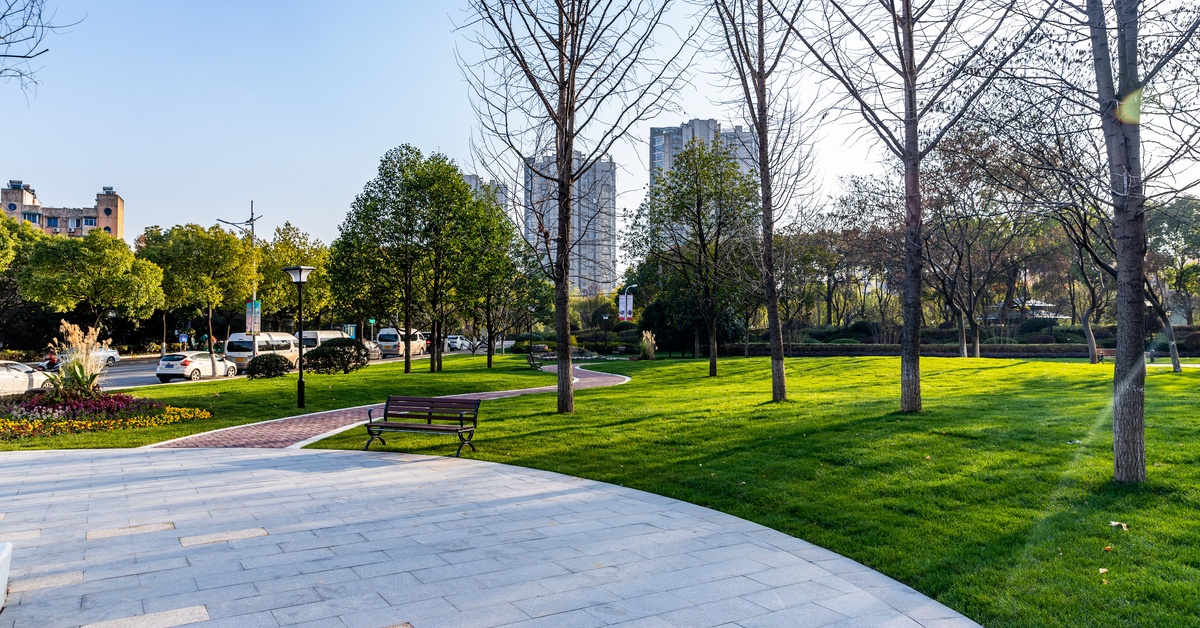
Trees around commercial buildings need enough clearance for people, vehicles, signs, windows, and rooflines. Low branches can block views, scrape delivery trucks, hide building signs, or make walkways feel cramped. Branches that grow too close to the structure can rub siding, gutters, lights, and security cameras.
Professional pruning keeps trees attractive and functional. It also supports better airflow through the canopy and helps the tree put energy into strong growth. A clean pruning plan removes dead, damaged, crowded, or poorly placed limbs without stripping the tree of its natural shape.
Many trees respond best when crews prune them during the dormant season, but some species need a different schedule. A knowledgeable landscaping team can match pruning to the tree type, site conditions, and property needs.
Protect the Roots
Roots often stretch well beyond the trunk, and commercial properties can put a lot of pressure on them. Cars, equipment, construction crews, pedestrians, and repeated mowing can compact soil and limit the air and water roots need. Over time, compacted soil can slow growth and weaken the tree.
Create space around trunks whenever possible. Mulch beds, defined edges, and clear walking routes can guide people away from root zones. These details also make the property look more polished, which helps the landscape feel intentional rather than patched together.
If your property has high foot traffic, watch for bare soil around trees near entrances, patios, and employee break areas. Bare soil often signals compaction. A landscaping professional can loosen compacted areas, add mulch, adjust traffic flow, or recommend plantings that protect the tree base.
Water and Mulch With Care
Commercial landscapes often rely on irrigation schedules, but trees don’t always need the same watering pattern as turf or shrubs. Young trees need steady moisture while they establish roots. Mature trees usually need deeper, less frequent watering, especially during dry stretches.
Water should reach the root zone instead of running across mulch, pavement, or hard soil. Deep watering encourages roots to grow down and outward, which helps trees handle heat and dry weather. Shallow watering can keep roots near the surface and make trees more vulnerable during hot months.
Mulch can help trees thrive when crews apply it correctly. A clean mulch ring holds moisture, reduces weeds, protects the trunk from mower damage, and gives the landscape a neat look. Keep mulch pulled back from the trunk so the root flare stays visible.
Watch for Stress
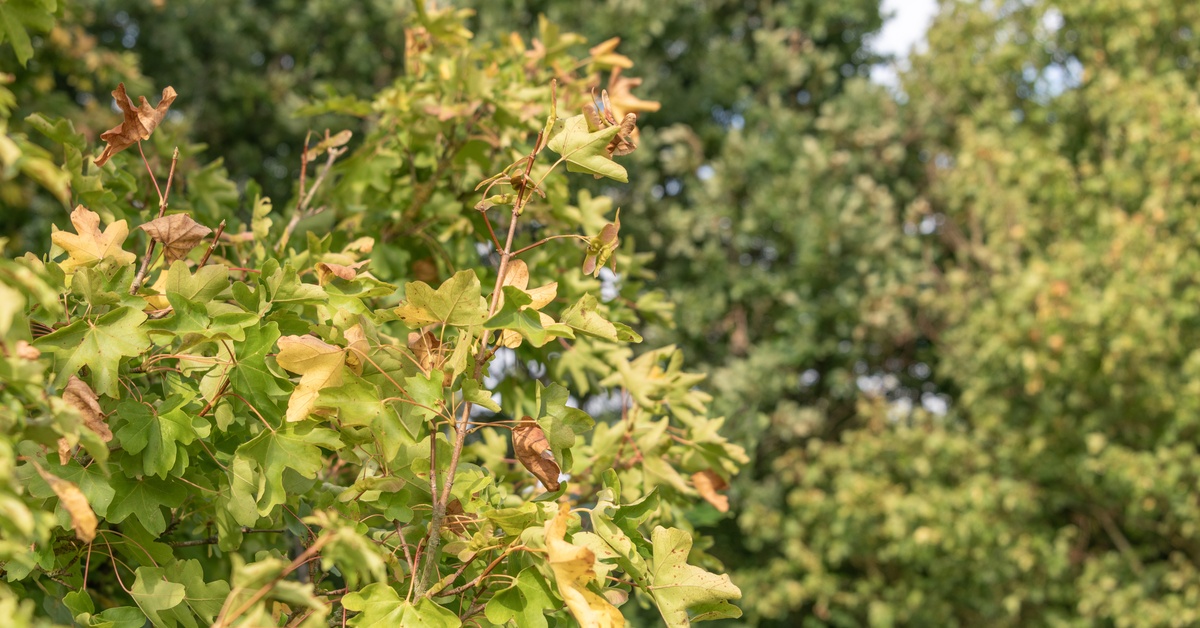
Trees often show stress through their leaves, bark, and branches. Yellowing leaves, spotted leaves, sticky residue, holes in bark, early leaf drop, and branch dieback can all point to pest or disease pressure. Commercial properties need quick action because one unhealthy tree can affect the look and safety of the whole site.
A professional team can identify the cause and recommend the right response. Sometimes the fix involves pruning or improving soil conditions. Other times, crews may need to treat a pest, adjust watering, or remove a tree that has declined too far.
Plan Around the Property
Tree care works best when planting and maintenance decisions account for the full property. A tree that looks small today can crowd a sign, lift pavement, block lighting, or grow into overhead lines later. Good planning saves time, money, and frustration.
Choose tree species that match the available space. Consider mature height, canopy spread, root behavior, sun exposure, drainage, and nearby hardscape. Around commercial buildings, the right tree in the right place can provide shade, guide traffic, and improve curb appeal without creating constant maintenance problems.
This kind of planning supports commercial landscape maintenance in Virginia because properties face changing seasons, summer heat, storm damage, and a wide mix of soil conditions. A local team can recommend trees and care routines that fit the region, the property, and the way people use the space.
Keep Safety Front and Center
Tree care plays a major role in property safety. Dead branches over parking spaces, leaning trees near walkways, and roots that lift pavement can create risks for customers and employees. Regular maintenance helps property managers address these concerns before they disrupt daily operations.
Look closely at trees near entrances, loading zones, drive-through lanes, patios, and sidewalks. These areas carry more traffic, so they deserve extra attention. A branch that seems minor in a back corner may need faster action when it hangs above a busy walkway.
Don’t wait for a limb to fall before you call for help. When a tree shows cracks, cavities, fungal growth, sudden leaning, or major canopy loss, a professional should evaluate it. Fast decisions can protect people, vehicles, buildings, and the tree itself when crews can still save it.
Build a Maintenance Plan
Commercial tree care works better when it fits into a larger landscape maintenance plan. Trees connect to turf, shrubs, irrigation, drainage, hardscape, lighting, and seasonal cleanup. When one team manages the whole property, they can spot how each part affects the others.
A strong plan can include seasonal pruning, mulch refreshes, irrigation checks, pest monitoring, storm follow-ups, and replacement recommendations. It can also help property managers budget with fewer surprises. Instead of reacting to every problem, you can make smart decisions before trees decline.
Give Trees the Right Care
Trees play an important role in the appearance, comfort, and functionality of commercial properties, which makes the above best practices for tree care around commercial buildings a smart investment. Consistent inspections, strategic pruning, proper watering, mulch management, root protection, and expert support help trees stay healthy and attractive over time.
A well-kept tree canopy tells people that someone cares about the property. It makes entrances more inviting, parking areas more comfortable, and outdoor spaces more useful. It also helps commercial buildings look maintained, organized, and ready for business.
If your trees need attention, Valley Landscaping can help you create a practical maintenance plan for your commercial property. With the right team and a steady approach, your trees can stay healthy, attractive, and ready to support your property for years to come.