
Ornamental grasses can change the entire feel of a landscape without demanding constant attention. They sway in the breeze, soften hard edges, add color through the seasons, and bring texture to areas that feel flat or unfinished. They can make a small garden feel fuller and help a large yard feel more intentional.
They also work well in Virginia landscapes because they suit many styles. You can use them around patios, along walkways, near driveways, beside garden beds, or in open areas that need movement and shape. Continue reading to explore tips for using ornamental grasses in your landscape.
The Purpose
Before you choose an ornamental grass, decide what you want it to do in your landscape. Some grasses create privacy. Others frame a view, fill a bare corner, soften a retaining wall, or add seasonal interest near an entryway.
When you define the role first, you’ll avoid random planting. A grass that looks beautiful at the garden center may not fit the scale, sunlight, or layout of your yard. Think about the height, spread, color, and texture you want before you commit.
You can also use ornamental grasses to guide the eye through the landscape. A row of upright grasses can lead guests toward a front door or patio. A loose grouping of softer grasses can draw attention to a seating area or garden feature.
Match Grass to the Area
Ornamental grasses need the right growing conditions to look their best. Some varieties love full sun and dry soil, while others handle more moisture or partial shade. When you match the plant to the site, you set the landscape up for stronger growth and cleaner lines.
Look at how much sunlight the area receives throughout the day. Many popular grasses need several hours of direct sun to grow upright and produce full plumes. If you plant a sun-loving variety in too much shade, it may flop, thin out, or lose its best color.
You should also pay attention to drainage. Wet soil can harm varieties that prefer drier conditions, especially during cooler months. If water collects in one area after rain, choose a grass that tolerates moisture or improves the planting area before adding anything new.
A professional team that offers lawn care services in Virginia can help you evaluate sunlight, soil, drainage, and long-term maintenance needs before you plant. That kind of planning helps ornamental grasses blend into the larger landscape instead of fighting against the site.
Think About Size Early
Ornamental grasses can look small when you buy them, but many grass varieties grow larger than homeowners expect. A compact plant can double or triple in size once it settles in. That growth can create a beautiful look, but only when the plant has enough room.
Check the mature height and spread before planting. Tall grasses can block windows, crowd walkways, or overwhelm smaller beds when you place them too close to structures. Shorter grasses can disappear in large spaces if you don’t group them with enough impact.
Give each plant room to grow into its natural shape. Ornamental grasses often look best when their blades can arch, fan, or stand upright without constant trimming. Tight spacing can create a messy look and increase maintenance over time.
Use Repetition With Care
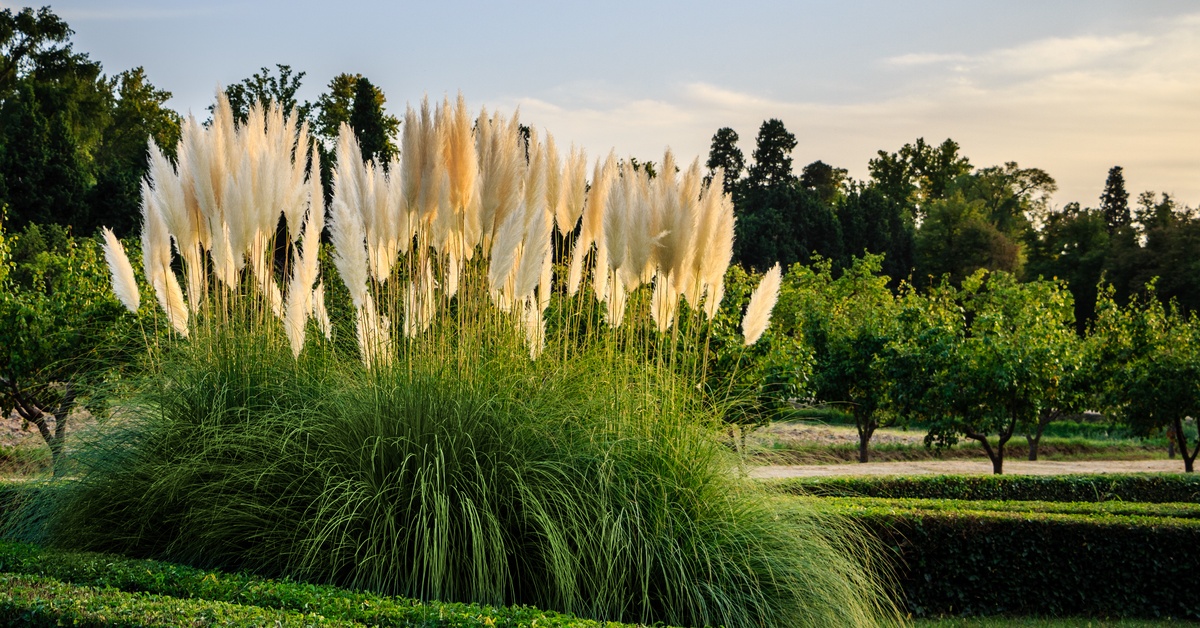
Repetition helps a landscape feel connected. When you repeat the same ornamental grass in several areas, the yard starts to feel planned instead of pieced together. This technique works especially well along walkways, around patios, and across large garden beds.
You don’t need to fill every bed with the same plant. A few repeated groupings can create rhythm without making the landscape feel predictable. For example, you might place the same grass near the driveway, beside the front steps, and around the backyard patio to create a visual thread.
Keep the spacing consistent when you use grasses in a row. Uneven spacing can make the design feel unsettled. A natural, informal grouping can still look relaxed, but intentional placement always makes the final result stronger.
Mix Textures Thoughtfully
Texture gives ornamental grasses their charm. Fine blades create a soft, airy look, while broader blades create a bolder presence. Plumes, seed heads, and arching forms add even more depth as the seasons change.
Pair fine-textured grasses with plants that have larger leaves or sturdy flowers. That contrast helps each plant stand out. A bed filled with too many wispy plants can look thin, while a bed filled with too many bold plants can feel heavy.
You can also use texture to soften hardscape features. Grasses look especially natural near stone walls, paver patios, walkways, and decks. Their movement breaks up rigid lines and helps build features that feel more connected to the yard.
Plan for Seasonal Interest
One of the best reasons to use ornamental grasses comes from their year-round appeal. Many grass varieties look fresh and green during the growing season, then shift into warm gold, tan, copper, or burgundy tones in fall. Their seed heads and plumes can also add shape during winter.
Think beyond spring and summer when you plan your design. A grass that looks simple in May may become the highlight of the landscape in September. Some varieties catch the low autumn light beautifully and give the yard a warm, layered feel.
You can also leave many grasses standing through part of winter. Their dried blades and plumes can add structure when perennials fade, and trees lose their leaves. Once late winter or early spring arrives, you can cut them back so new growth has room to emerge.
Create Privacy Without a Wall
Tall ornamental grasses can create gentle privacy around patios, pools, decks, and property lines. They don’t feel as heavy as a fence or solid hedge, but they can still screen views and make outdoor spaces feel more comfortable.
Use taller grasses where you want separation without closing off the yard. They work well near seating areas because they add movement and sound. When a breeze moves through the blades, the space can feel calm and inviting.
Avoid placing tall grasses where they block important views or crowd narrow paths. They need enough space to move naturally. When you give them the right location, they can create privacy that feels relaxed rather than forced.
Choose the Right Grouping
Ornamental grasses often look best in groups. A single grass can work as an accent, especially in a smaller bed, but larger landscapes usually need clusters to create enough impact. Odd-numbered groupings often feel natural, especially when you use three, five, or seven plants.
Use smaller grasses near the front of a bed where people can appreciate their texture up close. Place taller grasses toward the back or center of a larger planting area. This layout helps the design feel balanced from every angle.
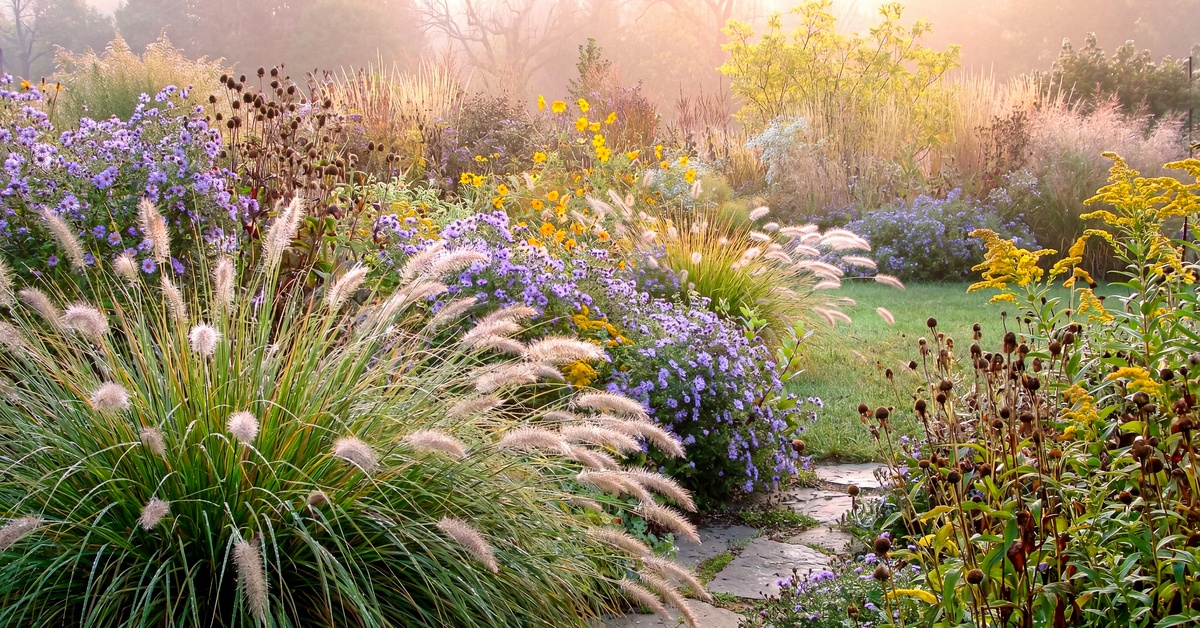
You can also mix grasses with shrubs, perennials, and small trees. Grasses fill the gaps between more structured plants and give the bed a looser, more welcoming feel. The best groupings look natural, but they still follow a clear plan.
Keep Maintenance Simple
Ornamental grasses don’t need constant fuss, but they still need seasonal care. Most varieties benefit from a yearly cutback before new growth begins. This step removes old blades and helps the plant look clean when fresh growth appears.
Use sharp tools and cut the grass to the recommended height for the variety. Don’t trim grasses into stiff shapes during the growing season. That habit can ruin their natural form and make the plant look awkward.
Some grasses need division every few years. If the center starts to thin out or the plant grows too large for the space, division can refresh the plant and control its size. This task also gives you a chance to move extra sections into other parts of the landscape.
Avoid Overcrowding the Design
Ornamental grasses add a lot of personality, so a little restraint goes a long way. Too many varieties can make the yard feel busy. Too many plants in one area can make the bed look crowded once everything reaches mature size.
Choose a few grasses that work well with your home, hardscape, and existing plants. Then repeat them with intention. A focused plant palette often looks more polished than a bed filled with one of everything.
You should also leave open space around grasses. Negative space helps each plant stand out and gives the eye a place to rest. A crowded bed can hide the graceful shape that makes ornamental grasses so appealing.
Bring the Landscape Together
Ornamental grasses can add movement, texture, color, and structure to almost any outdoor space. They work beside patios, along walkways, around entryways, and throughout garden beds when you choose them with care. The best results come from thoughtful placement, smart spacing, and a clear sense of purpose.
Using ornamental grasses in your landscape can make the space feel refreshed. A few well-placed grasses can bring interest through every season. With the right choices and simple maintenance, ornamental grasses can help your yard feel natural, welcoming, and beautifully finished.