
Your outdoor living areas work hard all year. Patios host cookouts, walkways guide guests to the front door, and decks give you a comfortable spot to unwind after a long day. When those surfaces look clean, feel safe, and function well, the whole property feels more polished.
The challenge comes from everything those spaces handle. Foot traffic, furniture, weather, leaves, moisture, sun exposure, and everyday wear can all leave their mark. A little care throughout the year helps you protect your investment and keep your outdoor spaces ready for daily life, weekend gatherings, and quiet evenings outside. Continue reading to explore tips for maintaining patios, walkways, and decks.
Start With Regular Cleaning
Routine cleaning gives patios, walkways, and decks the strongest foundation for long-term care. Dirt, pollen, leaves, grass clippings, and debris can settle into small cracks and textured surfaces. When moisture joins that buildup, stains and slick spots can form quickly.
Sweep hard surfaces often, especially after storms or windy days. A stiff broom works well for patios and walkways, while a softer broom can protect deck boards from scratches. Remove debris from corners, seams, and edges where leaves tend to collect.
Wash surfaces when they start to look dull or stained. Use a garden hose for light buildup, and choose a mild cleaner when grime needs more attention. Avoid harsh products that can damage pavers, stone, concrete, or wood. Always match the cleaner to the material so you don’t trade a dirty surface for a damaged one.
Watch for Drainage Problems
Water can cause major problems when it doesn’t move away from outdoor surfaces. Patios may collect puddles, walkways may develop slippery spots, and decks may hold moisture around boards, railings, or stairs. Those issues can lead to staining, shifting, cracking, rot, or mildew.
After a heavy rain, walk around your property and look for standing water. Pay attention to low spots, sunken pavers, clogged drains, and areas where soil washes onto the surface. Take note of water that pools near deck posts or foundation areas.
Good drainage plays a big role in successful landscape design in Virginia because changing seasons can bring heavy rain, humidity, freezing temperatures, and hot summer sun. When water moves correctly, your patio, walkway, or deck has a better chance of lasting longer and staying safer.
Keep Weeds Under Control
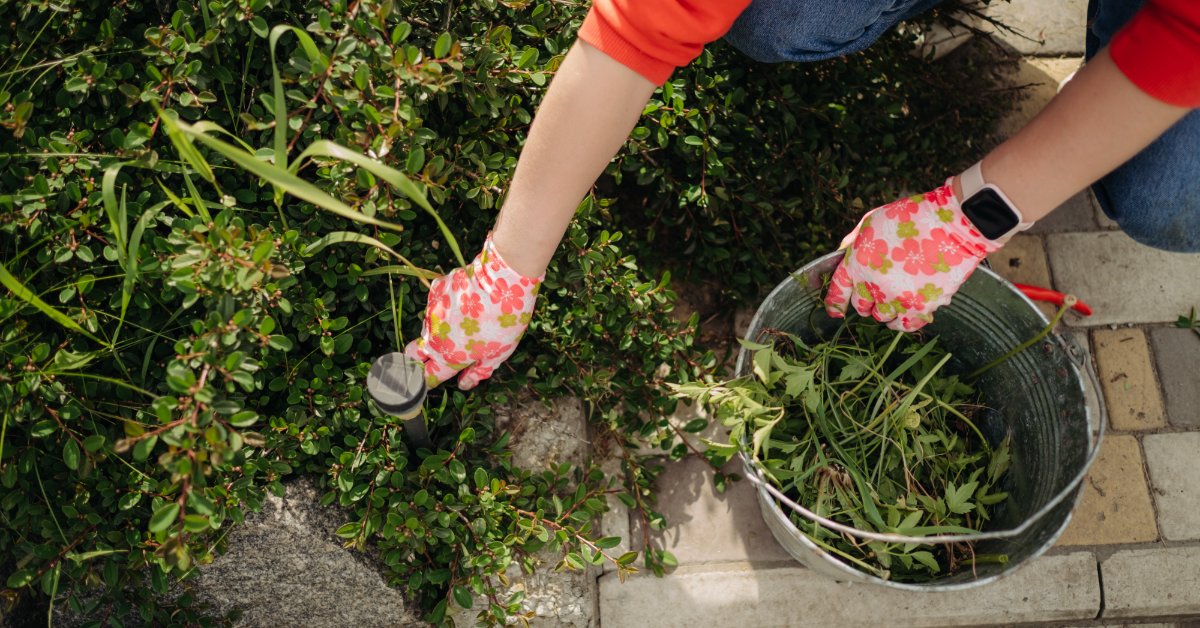
Weeds love small gaps between pavers, along walkway edges, and around patio borders. They may look minor at first, but they can spread fast when roots find room to grow. Over time, weeds can loosen joints, push materials out of place, and make clean surfaces look neglected.
Pull weeds when the soil feels damp because roots release more easily. Try to remove the entire root instead of snapping off the top growth. If weeds grow between pavers, use a narrow weeding tool to reach into the joints without disturbing the surrounding material.
Keep nearby planting beds neat as well. Overgrown grass, ground cover, and shrubs can creep onto walkways and patios. Trim edges regularly so plants frame the space instead of taking it over.
Check for Cracks and Shifting
Small cracks and uneven spots deserve attention before they grow into bigger repairs. Patios and walkways can shift when soil settles, roots expand, or water freezes and thaws. Decks can develop loose boards, raised nails, soft spots, or wobbly railings.
Walk each surface slowly a few times per year. Look for uneven pavers, crumbling edges, cracked concrete, loose stones, and areas that rock underfoot. On decks, check boards, stairs, railings, fasteners, and support posts. Press gently on suspicious boards to see whether they feel soft or unstable.
Quick action can prevent injuries and reduce repair costs. Resetting a few pavers takes far less effort than rebuilding a full walkway. Tightening a loose railing now can help you avoid a bigger safety concern later.
Protect Deck Boards
Decks need focused care because wood and composite materials face constant exposure. Sun can fade surfaces, rain can encourage mildew, and furniture can scratch boards. A deck may still look sturdy while small problems develop beneath the surface.
Clean spills soon after they happen, especially grease, wine, sauces, and plant debris. Move planters and furniture from time to time so moisture doesn’t sit in one spot for weeks. Use furniture pads under chairs, tables, and grills to reduce scratches.
Wood decks may need staining or sealing on a regular schedule. The right finish can help repel moisture and limit sun damage. Composite decks need less maintenance, but they still benefit from routine washing and quick stain removal.
Care for Patio Materials
Patios can include concrete, natural stone, brick, pavers, or other hardscape materials. Each material has its own care needs, so one cleaning method won’t fit every patio. A smart maintenance plan starts with knowing what surface you have.
Concrete can stain from leaves, rust, grease, and standing water. Pavers can shift or lose joint material over time. Natural stone may react poorly to acidic cleaners, so choose products carefully. Brick can collect moss in shaded areas, especially when moisture lingers.
Avoid pressure washing with too much force. Strong pressure can damage surfaces, remove joint sand, or leave visible marks. Use a lower setting when appropriate, and test a small area before cleaning the whole patio.
Keep Walkways Clear and Safe
Walkways do more than connect outdoor areas. They help guests, family members, customers, and neighbors move across the property safely. A clean, level walkway also improves curb appeal because it creates a welcoming path to the home or business.
Clear leaves, mud, branches, and grass clippings as soon as they collect. Wet leaves can become slippery, and mud can stain lighter surfaces. During colder months, choose ice melt products carefully because some formulas can damage concrete, stone, plants, and nearby turf.
Trim plants along the edges so branches don’t block the path. Keep lighting clean and functional near walkways, especially around steps, curves, and entry points. Good visibility helps people use the space with more confidence after sunset.
Manage Moss, Mildew, and Algae
Shade and moisture can create perfect conditions for moss, mildew, and algae. These growths often show up on patios, walkways, steps, and deck boards. They can make surfaces look dirty, but they can also create slick areas that increase the risk of falls.
Start by removing the conditions that encourage growth. Trim back dense branches to bring in more sunlight. Redirect sprinklers so they don’t soak hardscape areas. Clear leaves and debris that trap moisture against the surface.
Use a cleaner made for the specific material when growth appears. Scrubbing with the right brush can remove buildup without harming the surface. Stay away from harsh shortcuts that damage nearby plants or discolor hardscape materials.
Pay Attention to Edges and Joints
Edges and joints often reveal the first signs of wear. Patio borders may loosen, walkway edges may crumble, and deck gaps may collect debris. These small areas can affect the strength and appearance of the entire surface.
Inspect patio and walkway joints after heavy rain, winter weather, and routine cleaning. Add joint sand when pavers lose material between them. Repair edging that has shifted out of place so the surface stays contained.
On decks, clean between boards so air can move and moisture can dry. Debris packed into gaps can hold water against the boards. A simple putty knife or narrow tool can help remove leaves, and dirt without causing damage.
Plan Seasonal Maintenance
Seasonal care helps you stay ahead of problems. Spring gives you a chance to clean winter grime, check for cracks, and prepare outdoor spaces for heavier use. Summer calls for regular sweeping, stain cleanup, and plant trimming around patios and walkways.
Fall brings leaves, moisture, and cooler weather. Clear debris often so it doesn’t stain surfaces or clog drainage areas. Before winter, inspect walkways and steps for uneven spots that could become more hazardous during icy weather.
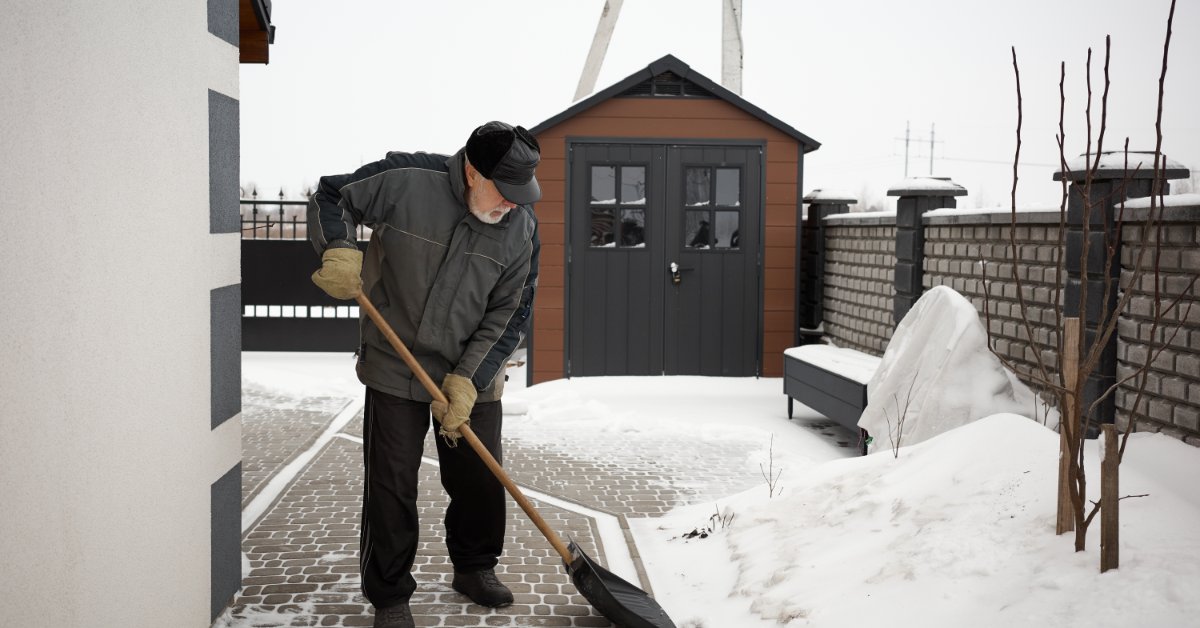
Winter maintenance should focus on safe access and surface protection. Remove snow with tools that won’t scrape or gouge the material. Use compatible ice control products, and avoid piling snow against deck railings, patio doors, or drainage areas.
Keep Outdoor Spaces Ready To Enjoy
Maintaining your patios, walkways, and decks will add comfort, function, and beauty to a property. They support everyday routines and special moments, from morning coffee to family celebrations. With regular care, those spaces can stay clean, safe, and attractive through every season.
Focus on simple habits first. Sweep often, clean spills quickly, watch drainage, control weeds, and inspect surfaces before minor issues grow. When repairs or deeper maintenance call for extra skill, bring in a professional who understands how outdoor spaces work together.
A well-maintained outdoor area doesn’t happen by accident. It comes from consistent attention, smart timing, and care that matches each material. When you stay ahead of wear, your patio, walkway, and deck can keep serving your home or business beautifully year after year.