A great backyard isn’t just for cookouts, quiet mornings, and weekend lounging. It’s also where your dog gets the zoomies, your cat finds the perfect sunny spot, and muddy paws somehow appear five minutes after you cleaned the floor.
Creating a pet-friendly outdoor space means designing a yard that looks good, feels comfortable, and stands up to real life. Pets need room to run, shade to cool off, safe plants to sniff, and surfaces that won’t turn into a muddy mess after every rain. With a little planning, your outdoor space can become a place where your family relaxes, your pets play, and your landscape still looks cared for.
Choose Strong Ground Cover
Pets put a lot of wear on outdoor surfaces. Dogs run, dig, roll, and pace, especially near gates and fence lines. Traditional grass can struggle in those areas, so your ground cover should match your pet’s activity level.
For open play areas, choose durable turf varieties that handle traffic well. In parts of Virginia, tall fescue often works well because it tolerates foot traffic and adapts to many yard conditions. A lawn care professional can help you match the right grass to your sun exposure, soil, and drainage.
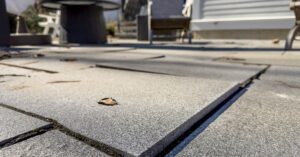
You don’t need grass in every area. Gravel, mulch, pavers, and artificial turf can solve specific problems when you place each material with care. Smooth river rock works well in drainage zones, while pavers create clean walking paths. Pet-safe mulch can soften garden edges and reduce mud near beds.
Avoid cocoa mulch because it can harm dogs if they eat it. Sharp gravel can also irritate paws, especially when pets run across it often. Choose surfaces that feel comfortable underfoot and clean easily after rain.
Add Clear Paths
Pets love routines. Many dogs follow the same route every time they patrol the yard. Instead of fighting that habit, turn those routes into paths.
A defined path can protect your lawn and give your pet a dependable place to move. Use flagstone, pavers, decomposed granite, or compacted gravel with a smooth finish. Keep the path wide enough for easy movement and place it where your pet already walks.
Paths also help people use the space more comfortably. You can connect the patio, gate, garden, and play zone without stepping through worn grass. A good path layout makes the yard feel intentional, not patched together.
If your dog races along the fence, add a path beside that line. Pair the path with sturdy plants or low edging to reduce digging near the fence base. This simple change can clean up one of the most abused parts of a pet-friendly yard.
Create Shade
Pets need relief from heat, especially during humid Virginia summers. Shade gives them a comfortable place to rest and helps reduce stress during outdoor time.
Trees provide the most natural shade, but they need time to grow. If your yard lacks mature trees, add a pergola, shade sail, covered patio, or large umbrella. Place shade near your pet’s favorite resting area, not in a far corner that your pet never uses.
You can also use shrubs to create cooler pockets around the yard. Dense plantings near seating areas can block harsh afternoon sun and make the space feel calmer. Leave enough room for airflow so the area doesn’t feel stuffy.
Water access also matters during warm weather. Add a sturdy water bowl station in a shaded location and choose a spot that you can clean easily. A small paved pad under the bowl can prevent mud and keep the area neat.
Pick Pet-Safe Plants
Plants bring color, texture, and privacy to a yard, but some common landscape plants can cause problems for pets. Before you add anything new, check whether the plant suits homes with dogs or cats. Your local nursery or a landscaping company in Virginia can help you narrow choices for your region and your pet’s habits.
Choose sturdy plants near high-traffic areas. Delicate flowers often struggle beside paths, play zones, and fence lines. Tough ornamental grasses, hardy shrubs, and dense ground covers usually handle pet traffic better.
Place fragile or tempting plants in raised beds or behind low fencing. Dogs that dig or chew need clear boundaries. Cats may lounge in soft soil, so dense planting can discourage unwanted digging.
Build Safe Boundaries
A pet-friendly yard needs secure edges. Fences, gates, and barriers help pets enjoy the outdoors without constant worry.
Check your fence from your pet’s point of view. Look for gaps under panels, loose boards, broken latches, and spots where your dog may dig. Small dogs can slip through narrow openings, while larger dogs may jump over low sections if they see something exciting.
Gate hardware deserves extra attention. Use latches that close firmly and sit out of easy reach. If children use the gate often, choose hardware that helps prevent accidental openings.
For dogs that dig, add a barrier along the fence base. Buried wire mesh, stone edging, or a reinforced planting strip can discourage escape attempts. Keep the solution neat so the yard still looks finished.
You can also create interior boundaries. Low fencing around gardens, a gated dog run, or a separate potty area can protect the rest of the landscape. Clear boundaries teach pets where to play, where to walk, and where to stay out.
Plan a Potty Zone
A dedicated potty zone can make yard maintenance much easier. Choose a spot with good drainage, easy access, and some privacy. Many homeowners place this zone along a side yard or near a back corner.
Use pea gravel, artificial turf made for pets, or another washable surface. Add edging to separate the zone from the lawn and garden beds. This setup helps contain odors and keeps the main lawn cleaner.
Train your dog to use the area with consistency. Walk your dog to the spot, praise the right behavior, and clean the area often. Over time, many dogs learn the routine and reduce damage across the rest of the yard.
Good drainage plays a major role. If water collects in the potty zone, odors can build quickly. A professional can grade the area or add drainage material so cleanup stays simple.
Make Room for Play
Pets need space to move. A good outdoor design includes open areas for fetch, tug, running, or exploring. You don’t need a huge yard, but you do need a layout that avoids clutter.
Keep play zones away from delicate plantings, grills, fire pits, and sharp-edged furniture. Use sturdy borders around beds and choose furniture that won’t tip easily. Pets move fast when they get excited, so the design should reduce obstacles.
Add features that match your pet’s personality. An active dog may enjoy a small agility area, a digging box, or a looped path. A calmer pet may prefer a shaded lounging spot near the family seating area.
For dogs that love digging, a designated digging box can save your garden beds. Fill a small framed area with sand or loose soil, then bury toys to make the spot appealing. Praise your dog for using that space, and redirect digging from other areas.
Think About Comfort
Small comfort upgrades can make a big difference. Add a shaded bed area, a washable outdoor mat, or a raised cot for dogs that like to lounge outside. Keep the resting area close to family activity so your pet still feels included.
Choose outdoor furniture and fabrics that clean easily. Pets bring dirt, hair, and leaves with them, so durable materials will save time. Washable cushion covers, wipeable surfaces, and sturdy storage bins help the space stay organized.
Lighting also helps. Low-voltage path lights make evening potty breaks safer and more convenient. Place lights along steps, gates, and walkways without shining bright light into your pet’s resting area.
A Yard Everyone Can Enjoy
A pet-friendly outdoor space doesn’t need to look plain or purely practical. With the right design choices, your yard can feel beautiful, comfortable, and easy to use. Pets get room to play and relax, while people get a cleaner, safer, more inviting landscape.
Build around comfort, shade, boundaries, and durable materials. When every part of the yard has a purpose, the space works better for the whole household. A thoughtful plan can turn your outdoor area into a place where tails wag, paws stay cleaner, and everyone wants to spend more time outside.