
A messy lawn, overgrown shrubs, standing water, or a blocked walkway can quickly change how tenants feel about where they live. Outdoor spaces play a big role in daily comfort, safety, and first impressions.
That’s why knowing what to do when your tenants complain about landscaping can help you protect your property and keep small concerns from growing into larger problems. When you listen closely, inspect the issue, and communicate the next step, you show tenants that you care about the property and their day-to-day experience.
Listen First
Landscaping complaints can feel frustrating when you already juggle rent collection, repairs, turnovers, and tenant questions. Still, outdoor spaces shape how tenants feel about the property. A messy lawn, overgrown shrubs, muddy walkways, or low branches can make a rental feel neglected quickly.
Most complaints don’t require panic. They need a clear process, a steady response, and a practical plan. When you handle the issue well, you protect tenant satisfaction, reduce repeat complaints, and keep the property looking cared for.
Start with the tenant’s concern, then look at the property with a manager’s eye. The goal isn’t to blame the tenant, the crew, or the weather. Find the problem, fix it properly, and prevent the same complaint from returning.
Take It Seriously
Tenants usually speak up after a landscaping issue has annoyed them more than once. Grass clippings may keep landing on a patio. Shrubs may block a window. Puddles may collect near the front door after every storm. A quick dismissal can turn a small complaint into a bigger relationship problem.
Reply promptly and thank the tenant for sharing the concern. Use plain language and give a clear next step. Tell the tenant when you’ll inspect the area or contact your landscape provider. A respectful response shows tenants that you care about the place they call home.

Get Specific
Ask the tenant for exact details. You need the location, timing, and impact on daily living. A complaint about the bushes doesn’t give you enough information. A report that holly shrubs scrape a tenant’s car near the east parking entrance gives you a clear place to start.
Photos help, especially for multiunit properties or rentals you don’t visit weekly. Ask for recent photos and compare them with your own inspection. Prioritize safety concerns first, including slippery walkways, blocked sightlines, low branches, and poor lighting.
Write down each complaint and the action you take. Good records help you spot patterns. If three tenants mention the same muddy walkway, you have a single property issue that needs a stronger solution.
Inspect the Site
Walk the property during the same conditions that triggered the complaint when possible. If tenants complain about standing water after rain, inspect after a storm. If tenants complain about early mowing, check the service schedule and local quiet hours. If tenants complain about leaves, visit during peak leaf drop.
Look beyond the one problem area. Landscaping connects. A drainage issue near one building may start with a clogged gutter, compacted soil, or a slope that directs water toward a walkway.
Take notes and photos during your inspection. Record what needs immediate work, what can wait until the next scheduled visit, and what may need a larger improvement.
Sort the Priority
Not every landscaping complaint needs the same response. A fallen limb across a walkway needs quick action. Tall grass may need prompt service if it violates lease standards or local rules. A tenant who dislikes a plant choice may need a respectful reply, but the request may not justify immediate replacement.
Handle safety risks first. Clear blocked paths, trim branches that interfere with parking or walking, and address slick surfaces quickly. Tenants expect clean, safe access to doors, mail areas, trash areas, parking lots, and shared outdoor spaces.
Routine concerns still deserve follow-up. Weeds, uneven edging, patchy turf, and overgrown shrubs can drag down curb appeal over time. Treat those items as part of your regular property care plan.
Share the Plan
After you inspect the issue, tell the tenant what you found and what will happen next. Keep the message short and specific. Include when the crew will visit, what work they’ll complete, and whether the tenant needs to move a vehicle, unlock a gate, or keep pets inside.
Clear communication prevents frustration. Tenants don’t need a long explanation about turf or plant health. They need to know that you heard the concern and scheduled the right next step.
If the complaint requires a larger project, explain the timeline in practical terms. Drainage corrections, plant replacements, hardscape repairs, or tree work may take longer than a routine mow. Tenants handle delays better when they understand the next step and see progress.
Call a Professional
A reliable landscaping partner can help you resolve tenant complaints faster because trained crews know what to look for. They can distinguish cosmetic concerns from plant health issues, drainage problems, and seasonal changes. They can also recommend a schedule tailored to the property instead of using a one-size-fits-all approach.
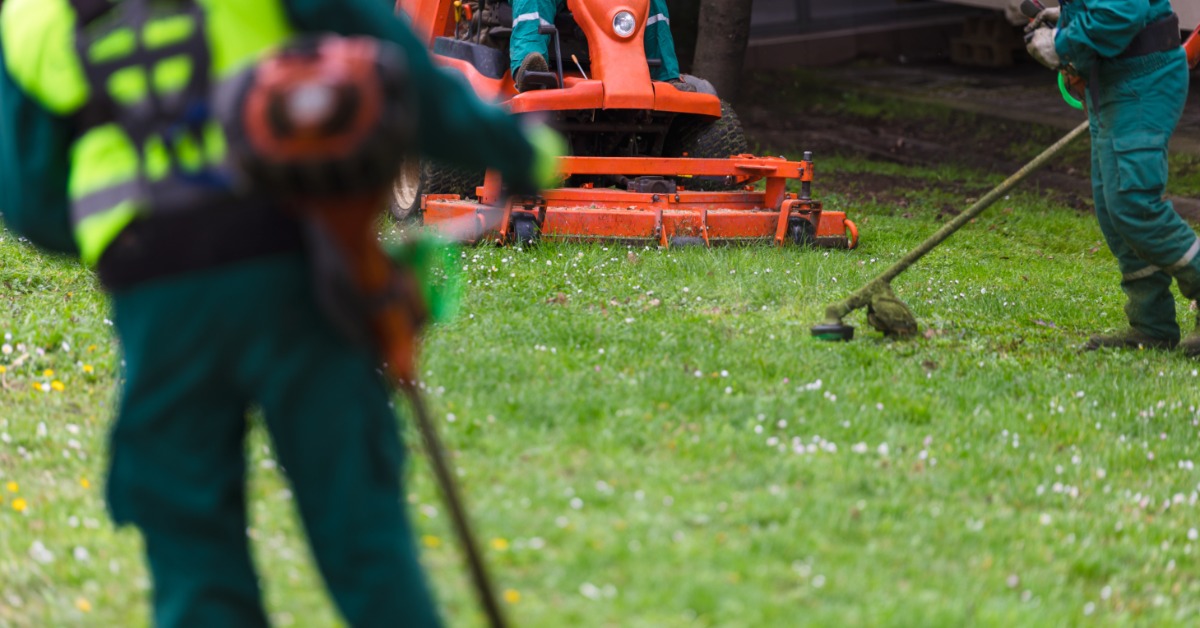
For property owners and managers, landscape care and maintenance services can bring consistency to rental communities, office properties, and mixed-use sites. Regular mowing, pruning, edging, leaf cleanup, seasonal color, turf care, and tree care all support a cleaner, more welcoming property.
The right provider should also communicate well. Property managers need crews that show up when scheduled, document concerns, and flag issues before tenants start sending messages.
Set Standards
Tenants may hold different opinions about good landscaping. One tenant may want short grass every week. Another may care more about shade, privacy, or flower beds. Your job involves setting property standards that create a clean, safe, and attractive outdoor space.
Create a simple maintenance standard for the property. Include mowing frequency, pruning expectations, leaf removal timing, irrigation checks, seasonal cleanup, and response steps after storms. Share relevant expectations in tenant communications so people know what to expect.
Clear standards also help you manage vendors. When you define the schedule and quality expectations, you can hold the landscape team accountable and explain decisions to tenants without sounding defensive.
Plan for Seasons
Landscaping complaints often follow the seasons. Spring brings weeds, fast turf growth, and mulch needs. Summer brings heat stress, dry patches, pests, and irrigation concerns. Fall brings leaves, clogged drains, and plant debris. Winter can bring broken branches, snow concerns, and bare-looking beds.
Build a seasonal schedule before complaints spike. Plan spring cleanup early. Review irrigation before summer heat arrives. Schedule pruning before shrubs crowd walkways. Prepare for leaf removal before trees drop heavy debris.
Prevent Repeats
After the crew completes the work, check the area again. A quick follow-up visit or photo review confirms that the fix solved the right problem. Then tell the tenant the work has happened and ask them to report any remaining concerns.
Track recurring issues by property and category. If tenants keep complaining about the same hedge, you may need a harder pruning schedule or a plant replacement. If tenants keep reporting muddy grass, you may need drainage work, stepping stones, turf repair, or a different groundcover.
Repeat complaints often reveal a mismatch between the property’s needs and the current maintenance plan. Adjust the plan instead of treating each complaint as a one-time inconvenience.
Move Forward
You need to listen and handle tenant landscaping complaints because they live with it every day. When they speak up, listen closely, inspect the issue, communicate the plan, and follow through. That approach keeps small concerns from turning into bigger problems.
Good landscaping supports safe movement, cleaner entrances, better tenant retention, and a stronger first impression for prospects.
You don’t need to handle every outdoor issue alone. A dependable landscaping partner can help you maintain a clean, safe, and attractive property through every season. With the right process, tenant complaints become an opportunity to improve the property and show residents that you take their comfort seriously.